

WARDOGS Weapons & Loadouts
Per-life purchases, job-based loadout tests, reserve discipline, and live stat checks
WARDOGS Weapons & Loadouts
WARDOGS buys weapons and gear per life. Choose the job first, spend one controlled amount, and record the live weapon name, cost, role, and result before calling a loadout strong.
What this page is for
A decision guide for turning the current WARDOGS purchase screen into a comparable weapon test while exact stats remain client-verified.
Player workflow
Use this page as a working handoff
Choose a loadout that answers the squad's current job and leaves enough cash to learn from the result.
- Named job: presence, access, support, or recovery
- Visible weapon name, cost, slot, and build label
- Balance before purchase and reserve boundary
One build-stamped purchase test with a comparable route and a recorded result.
Do not call a weapon best when damage, recoil, range, or availability is not confirmed in the same build.
Natural next handoff Carry the test into the first-match ledger
Use the page in three moves
Query first, test second, recover cleanly
WARDOGS loadout decision board is a server-rendered reference with a light selector layered on top. Start from the named blocker, narrow once, and leave the full answer visible when a filter would hide useful context.
- 01Name the job
Start with the player problem, then use the search weapon, loadout, role, reserve, or recoil check control instead of scanning every row.
- 02Read one matching record
Use the wardogs loadout decision board result to compare the job, fields, confidence, and safe next action before changing another variable.
- 03Verify the live result
Run the smallest test that can disprove the current plan, keep the baseline you can reproduce, and record the exact condition that changes your next move.
Covered on this pageWeapon choice · Loadout test · Live stats · Reserve
Best first queryWeapons are a per-life purchase
If nothing matchesNo matching WARDOGS Weapons & Loadouts check
Start from a job
The useful weapon question is what the squad needs the gun to change
A name or screenshot is not a loadout recommendation by itself.
WARDOGS frames weapons as part of a per-life purchase layer inside a three-team objective match. That means the right opening question is not “which gun is best?” but “what should this life make easier?” A weapon can support presence, open a route, protect a revive, or cover a transport handoff. Choose one of those jobs before comparing a model.
Write the job beside the purchase. If the team is losing the zone because nobody can stay on its edge, test a weapon that lets you survive that specific presence lane. If the problem is a dangerous approach, test the weapon on the approach rather than judging it from a distant duel. The decision stays connected to the match instead of turning a preview impression into a permanent meta.
Keep the role and route stable for the first comparison. The same weapon can look different when the zone, squad, or fallback changes. One controlled life will not produce a balance ranking, but it can answer whether the purchase addressed the blocker it was meant to address.
- JobName the objective, access, support, or recovery task before buying.
- ContextHold the zone, squad, and route steady for a comparable action.
- LimitDo not infer a universal tier list from one life or one clip.
Capture the live fields
A future WARDOGS weapon database starts with build-stamped observations
The current public source set does not expose a complete, stable weapon schema.
When the client shows a weapon, capture the fields that can anchor a later comparison: exact name, slot, visible cost, ammunition or utility cue, and build label. Those facts are more durable than a screenshot without context. Add the job you tested and the route where the result occurred so a later patch can separate a field change from a different situation.
Leave damage, recoil, range, attachments, unlocks, and availability unfilled when the client does not show them or when the value has not been repeated. Unknown is a useful state: it tells the next player what to verify and prevents a launch page from pretending to be a full database. A field becomes publishable only when it is stable enough to change a player decision.
This is also why the page keeps the core answer server-rendered. The player can read the test boundary without JavaScript, then use the lightweight search to jump to the exact question. Interaction helps find the rule; it does not manufacture missing weapon facts.
- RecordName, slot, visible cost, build, and the job tested.
- DeferDamage, recoil, range, attachments, and unlocks without repeated client evidence.
- CompareUse the same action and patch context, not raw impressions.
Protect the learning budget
The first loadout should leave room for a second answer
Persistent cash makes reserve discipline part of weapon selection.
Every weapon purchase competes with the next life’s opportunity to test transport, support, or objective access. Set a reserve before opening the purchase screen and write down what remains afterward. The reserve is not a claimed in-game rule; it is a safe decision boundary that keeps a hard-to-read life from forcing a full reset.
If the weapon did not change the named outcome, do not chase the result by buying the largest option available. Keep the job and change one dependency: a shorter route, a better fallback, a protected revive, or a different zone edge. If the client changes cost or availability, record the build and rerun the smallest comparison.
A complete weapon module can grow when the Early Access client provides stable records. Until then, this page still answers the high-frequency choice—how to spend and test one weapon without confusing a momentary result for a permanent ranking.
- ReserveLeave a second test possible after the first purchase.
- AttributeChange one weapon or route variable at a time.
- RefreshRecheck the client after every patch that changes costs or fields.
Visual reference
See the game context before making the lookup
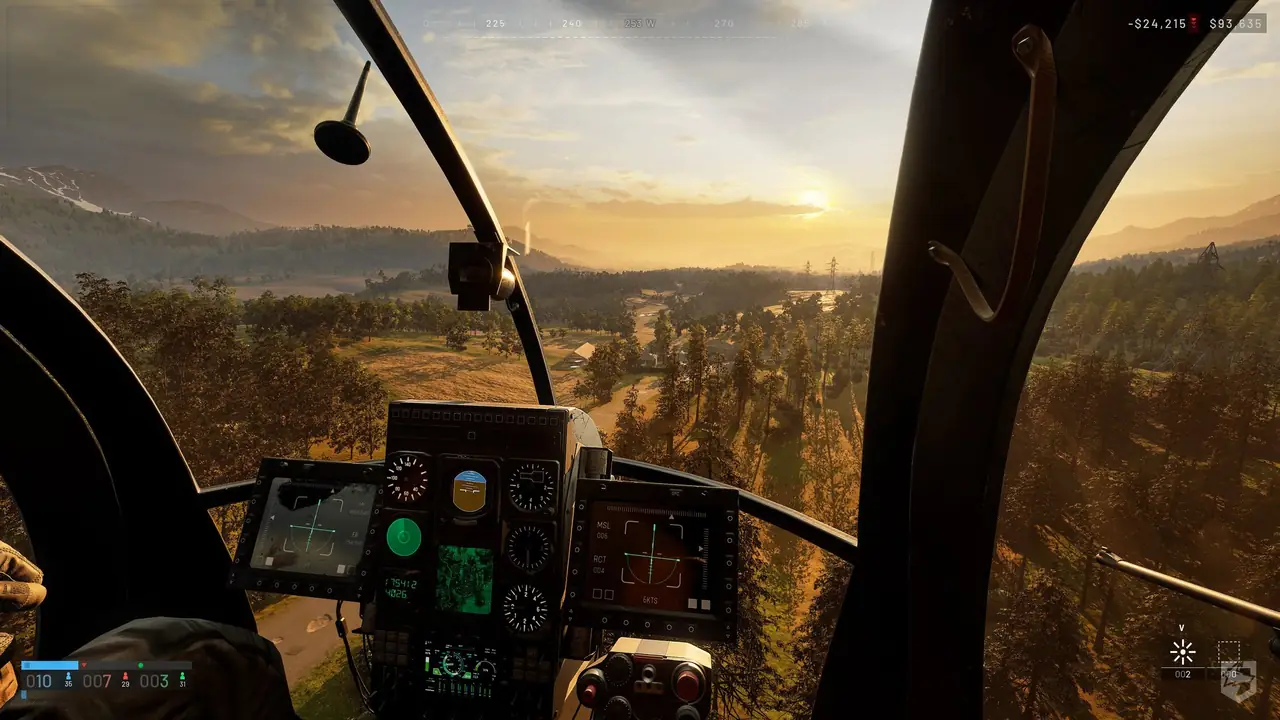
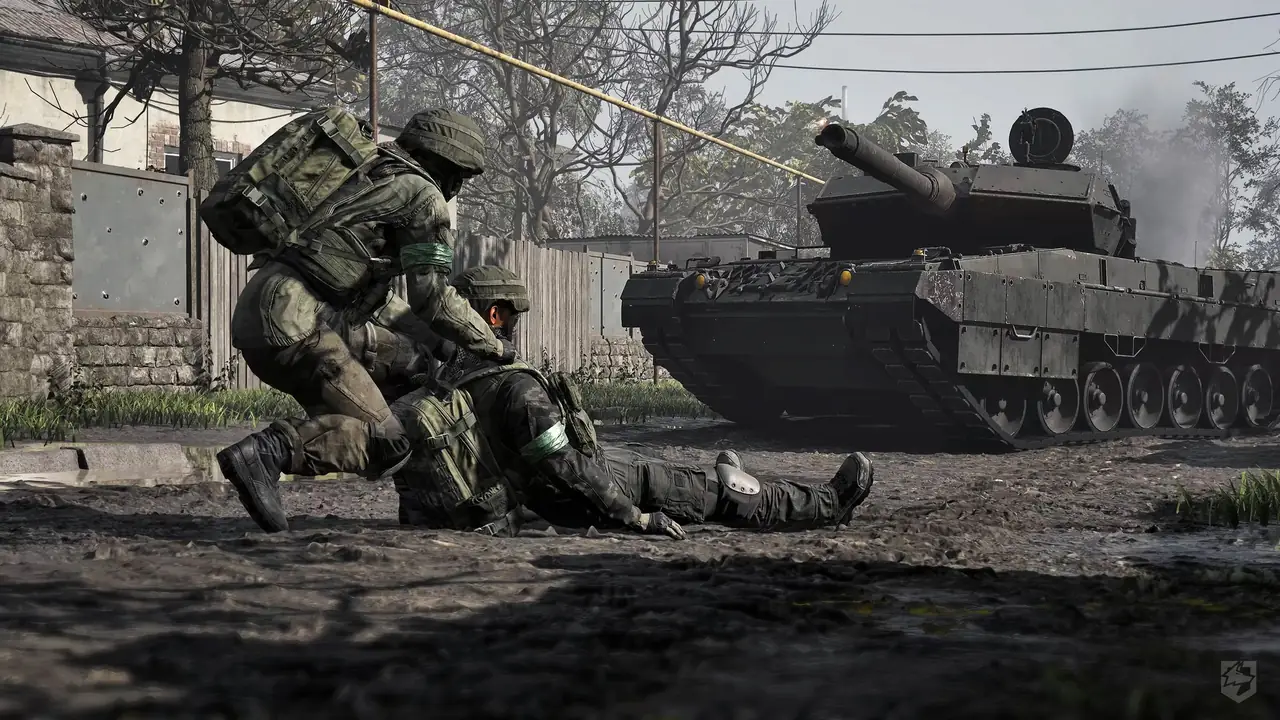
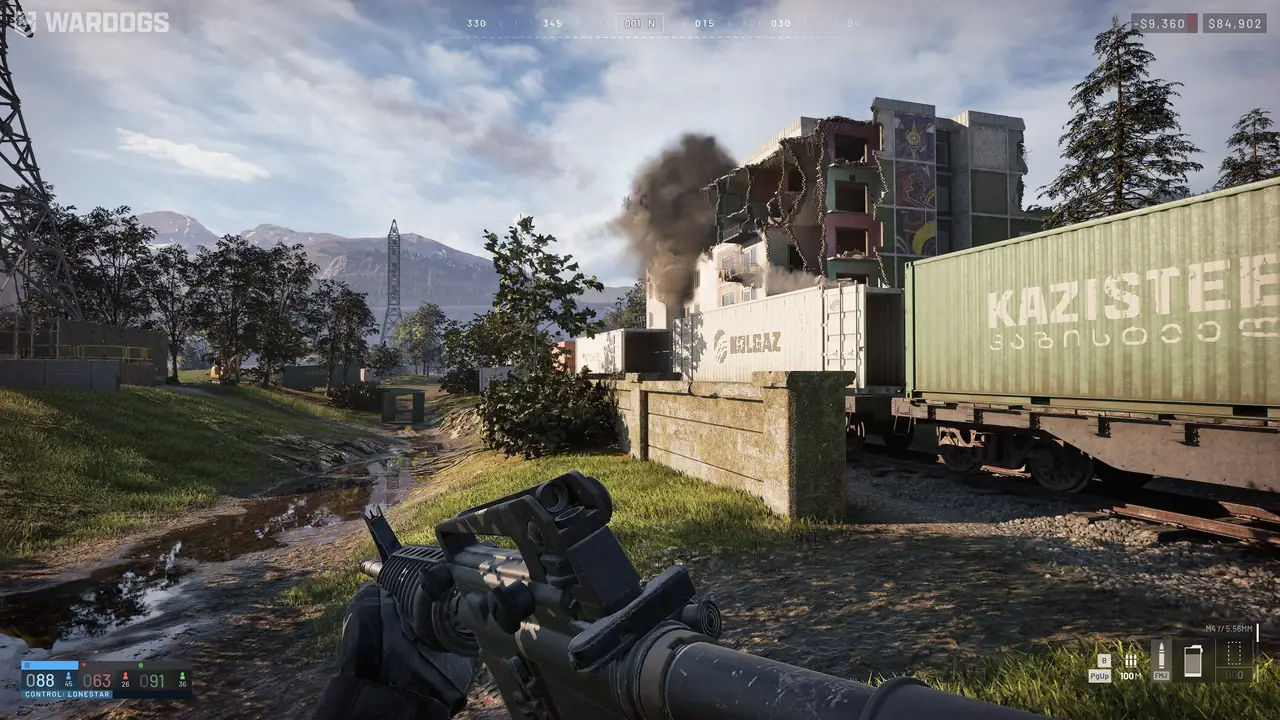
These local game scenes establish the situation this page addresses. They support orientation only; the actionable answer remains in the text, fields, and recovery route below.
Purchase, test, reserve, and live fields
Weapons and gear are tested in context
Keep a reserve for a second test
Verify the current client and build
Run the smallest useful test
Name the job → capture the live fields → buy once → compare the same action
This sequence gives a weapon choice a reason, a boundary, and a result that can be repeated.
- 1Name the job
Choose objective presence, access, support, transport protection, or recovery before selecting a weapon.
- 2Capture the current screen
Record the live weapon name, slot, visible cost, build label, and any displayed ammo or utility fields.
- 3Spend one life
Buy the smallest confirmed option that can attempt the job while keeping a persistent cash reserve.
- 4Repeat the same action
Use the same kind of zone edge, route, revive, or approach so the weapon result is not mixed with every other variable.
- 5Keep unknowns honest
Leave damage, recoil, range, attachments, and unlocks as live checks until the client confirms them.
Loadout decision board
WARDOGS loadout decision board
WARDOGS buys weapons and gear per life. Choose the job first, spend one controlled amount, and record the live weapon name, cost, role, and result before calling a loadout strong.
6 matches WARDOGS loadout decision board
Purchase rule · Weapon choice
Weapons are a per-life purchase
The current feature description places weapons inside the per-life purchase layer.
- Purchase layer
- Per life
- Persistent layer
- Cash between matches
- Record
- Name · cost · job · result
Player job
Separate a weapon experiment from the balance that persists between matches.
Use now
Record the balance before buying, the live item name, and the life in which it is tested.
Safe next action
Buy one weapon that answers the named objective or route problem.
Risk
A purchase rule does not establish price, damage, recoil, attachment, or unlock values.
Loadout decision · Loadout test
Choose the loadout job before the gun
A loadout is easier to evaluate when it has one job such as holding presence, opening access, or protecting a revive.
- Choose by
- Objective · access · support · recovery
- First variable
- Weapon or utility
- Next
- Comparable life
Player job
Turn a broad weapon choice into a test the squad can observe.
Use now
Write the job in one sentence, then select the smallest live kit that can attempt it.
Safe next action
Keep the Control Zone, squad, and route visible while comparing the weapon.
Risk
A weapon that wins one duel may still fail the objective or support job.
Field check · Live stats
Record live weapon fields before comparing
The public launch material does not provide a stable weapon table, so the current client is the authority for names and fields.
- Capture
- Name · slot · cost · build
- Retest
- Damage · recoil · range · attachments
- Source of truth
- Current client screen
Player job
Know which facts must be captured before making a comparison.
Use now
Capture weapon name, slot, visible cost, ammo or utility cues, and the build label shown in the client.
Safe next action
Leave damage, recoil, range, attachments, and unlocks unknown until the same build confirms them.
Risk
Old clips and preview screenshots can describe a different build.
Economy boundary · Reserve
Keep a reserve after the first weapon test
Persistent cash remains useful after the current life, so a first weapon should not consume the entire learning budget.
- Persistent cash
- $10,000 starting balance
- Rule
- Reserve before escalation
- Compare
- Purchase versus visible result
Player job
Preserve a second test when the first weapon result is hard to read.
Use now
Set a personal reserve before opening the purchase screen and note what remains afterward.
Safe next action
Escalate only when the first purchase fixed a named blocker.
Risk
A large purchase can hide route, squad, or zone problems behind raw firepower.
Test process · Loadout test
Use one weapon test per life
Changing weapon, role, route, and vehicle at once makes the result impossible to attribute.
- Hold
- Objective · role · route
- Change
- One weapon variable
- Measure
- Presence · access · survival · cash
Player job
Make a weapon comparison useful after a chaotic match.
Use now
Hold the objective and role constant, change one weapon variable, and compare the same kind of action.
Safe next action
Use a short route or one zone-edge contest as the first test.
Risk
Different zone positions and team compositions are not a fair raw-stat comparison.
Editorial guardrail · Live stats
Do not promote a launch weapon tier list
A universal weapon ranking needs stable names, fields, patches, and repeated results that the current public evidence does not expose.
- Required before ranking
- Stable roster · fields · patch history
- Current output
- Job-based test
- Update trigger
- Client patch or repeated evidence
Player job
Avoid making a temporary weapon impression sound permanent.
Use now
Publish a decision rule and a build-stamped observation instead of a global ranking.
Safe next action
Use the weapon that answers the current squad and zone problem.
Risk
A meta claim becomes stale when Early Access prices, recoil, or availability change.
No matching WARDOGS Weapons & Loadouts check
Clear the search or player-job filter to return to the bounded Weapon choice, Loadout test, Reserve, Live stats records.
When the answer does not fit
When the weapon test is unreadable
Return to the last stable match state instead of changing the entire loadout.
- 1Classify the miss
Was the problem damage, route access, zone presence, support timing, cost, or a client issue?
- 2Restore the context
Keep the same kind of zone edge, squad job, PC baseline, and build label where possible.
- 3Change one field
Swap only the weapon, utility, or route variable tied to the first broken handoff.
- 4Preserve unknowns
If the client does not show a stable stat, leave it as a live check and record the next verification step.
Decision table
Pick the smallest weapon test
Choose the row that matches the failure in front of you; the action is a bounded next experiment, not a hidden-stat guarantee.
| Situation | Action | Why |
|---|---|---|
| The squad lacks zone presence | Test a role-aligned weapon on the nearest safe zone edge. | The objective result matters more than an isolated elimination. |
| The route is exposed | Use the weapon to test one approach with a visible fallback. | A weapon only matters if it changes access or survival for the route. |
| The purchase consumes too much cash | Keep the reserve and run a smaller confirmed test. | Persistent cash remains useful for the next life. |
| A clip claims a weapon is dominant | Check its build, fields, and job before adopting it. | Preview and Early Access values can drift. |
| The result cannot be reproduced | Record the client state and leave the disputed field unknown. | Unknown is safer than a false stat or ranking. |
Share this guide
Send the answer when another player hits the same blocker.
Share the current WARDOGS route, or copy the link for Discord and group chat.
Player questions
Weapons & Loadouts FAQ
Use the current game panel before spending rare resources on a value that can change.
Are WARDOGS weapons bought per life?
The current feature description places weapons inside the per-life purchase layer. Confirm the visible cost and name in the current client.
Is there a best WARDOGS weapon?
Do not use a permanent tier claim yet. Choose a weapon for a named objective, role, or route and compare the same action.
Where are weapon damage and recoil values?
The current public source set does not expose a stable table. Capture those values from the current client before publishing or trusting a comparison.
How much cash should I spend on a loadout?
Keep a reserve and buy the smallest confirmed option that can test the next job.