

WARDOGS Server Status & Matchmaking
Windows online route, party handoff, proximity voice, client state, and failure classification
WARDOGS Server Status & Matchmaking
WARDOGS is a Windows online multiplayer game with proximity voice chat. Classify entitlement, client, network, party, matchmaking, and in-match symptoms separately before changing gameplay variables.
What this page is for
A server and matchmaking readiness route that keeps live-client symptoms separate from objective or loadout decisions.
Player workflow
Use this page as a working handoff
Find whether the failure is account, client, network, party, voice, or queue before changing gameplay decisions.
- Platform/account and exact error
- Build, region, time, and network path
- Party state, voice state, and queue symptom
One classified failure layer and the shortest repeat test for that layer.
Do not publish or rely on an uptime, crossplay, latency, or queue number that the current client does not show.
Natural next handoff Return to the readiness baseline
Use the page in three moves
Query first, test second, recover cleanly
WARDOGS online readiness board is a server-rendered reference with a light selector layered on top. Start from the named blocker, narrow once, and leave the full answer visible when a filter would hide useful context.
- 01Name the job
Start with the player problem, then use the search server, matchmaking, party, voice, crossplay, latency, or client control instead of scanning every row.
- 02Read one matching record
Use the wardogs online readiness board result to compare the job, fields, confidence, and safe next action before changing another variable.
- 03Verify the live result
Run the smallest test that can disprove the current plan, keep the baseline you can reproduce, and record the exact condition that changes your next move.
Covered on this pageAccess · Voice & network · Party · Matchmaking
Best first queryWindows online multiplayer route
If nothing matchesNo matching WARDOGS Server Status & Matchmaking check
Classify before troubleshooting
A server symptom and a lost fight need different evidence
Online readiness is a prerequisite to gameplay testing.
WARDOGS is presented as Windows online multiplayer with proximity voice chat. That confirms the session format, not the health of every region or queue. When a player cannot launch, join, queue, hear, or stay connected, name the earliest failed handoff. An entitlement error, update loop, party invite failure, and in-match loss should never be placed in one “server problem” bucket.
Record the platform, account state, build, region, party size, connection path, timestamp, and exact visible message. This small context lets a repeat test answer a question. It also protects the match guide: once the party reaches matchmaking, a failed push can be evaluated as a gameplay result rather than an access symptom.
The page deliberately keeps crossplay, latency thresholds, queue times, region routing, and uptime as live checks. Those details are valuable when confirmed, but claiming them from launch material would give players a false diagnostic path.
- NameIdentify the first broken dependency.
- RecordBuild, platform, party, region, time, and exact message.
- SeparateDo not mix join failure with a combat result.
Make communication testable
Proximity voice is part of the team handoff, not a universal guarantee
Audio behavior belongs beside the party and route context.
The store listing names proximity voice chat, which makes communication part of the game’s team layer. The useful first check is whether the current client exposes voice, who can hear whom, and what fallback call the squad can use when the channel is unclear. Do not infer range, mute behavior, or platform routing from a trailer or a remembered playtest.
Run one short audio test with the same party that will enter the match. If voice fails, keep the objective call compact and visible in the squad’s chosen fallback. Then test the shortest route or revive handoff without changing weapons, vehicles, and server assumptions at the same time.
A future online database can record stable voice channels, party rules, and region behavior when the client and official status expose them consistently. For now, the high-value answer is how to keep the team’s evidence clean.
- TestVerify the current voice path with the actual party.
- FallbackUse a short visible call when audio is unclear.
- LogKeep voice symptoms separate from combat outcomes.
Use official signals carefully
A current status handoff is useful even when there is no uptime promise
Early Access changes quickly; a dated error is better than a broad claim.
When a queue or party handoff remains blocked, take the exact context to the current official announcement or community route. Include platform, build, region, time, party state, and the message the client showed. This gives maintainers a reproducible report and helps the next player distinguish a known launch issue from a local path.
Do not promise that a community post proves universal server health. Reports may describe another build or a different region. Mark the result as reported until the same condition is reproduced in the current client.
When the handoff succeeds, carry the baseline into the match: party, build, connection path, and starting balance. That handoff is the boundary between server troubleshooting and the Control Zone decision board.
- BringExact error and build context.
- TreatCommunity reports as reported until reproduced.
- CarrySuccessful online state into the first match.
Visual reference
See the game context before making the lookup
These local game scenes establish the situation this page addresses. They support orientation only; the actionable answer remains in the text, fields, and recovery route below.
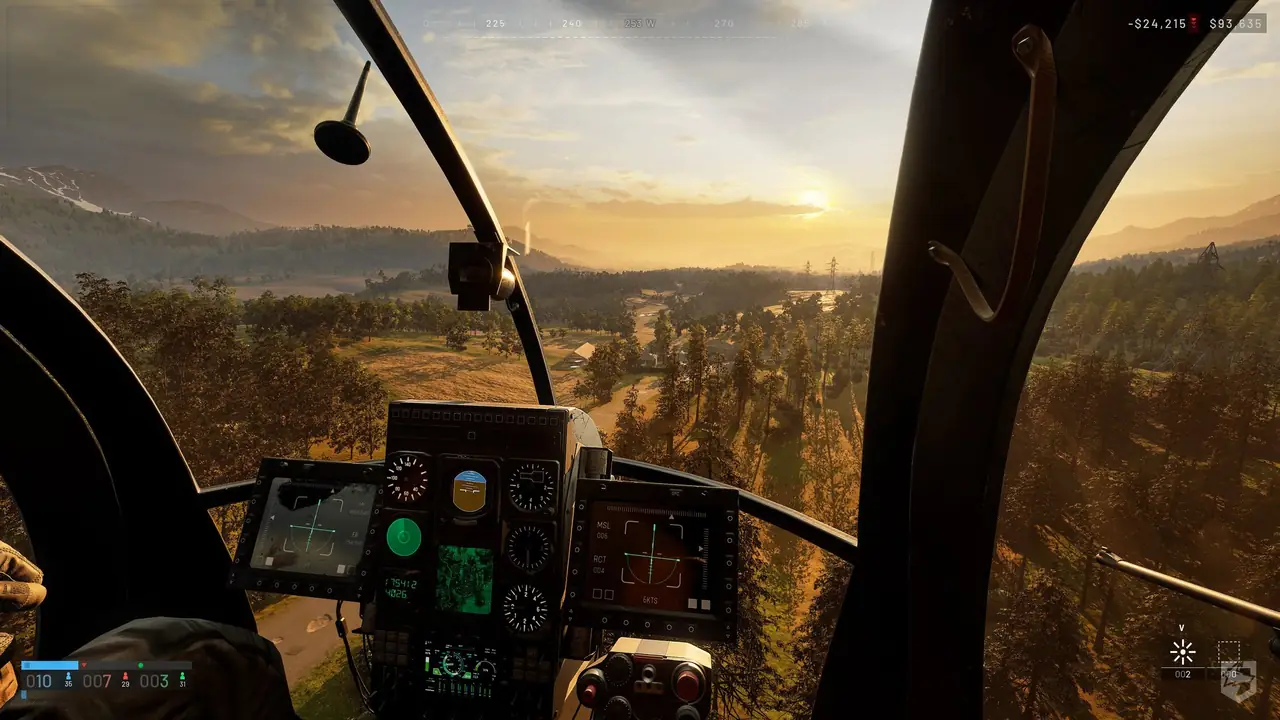
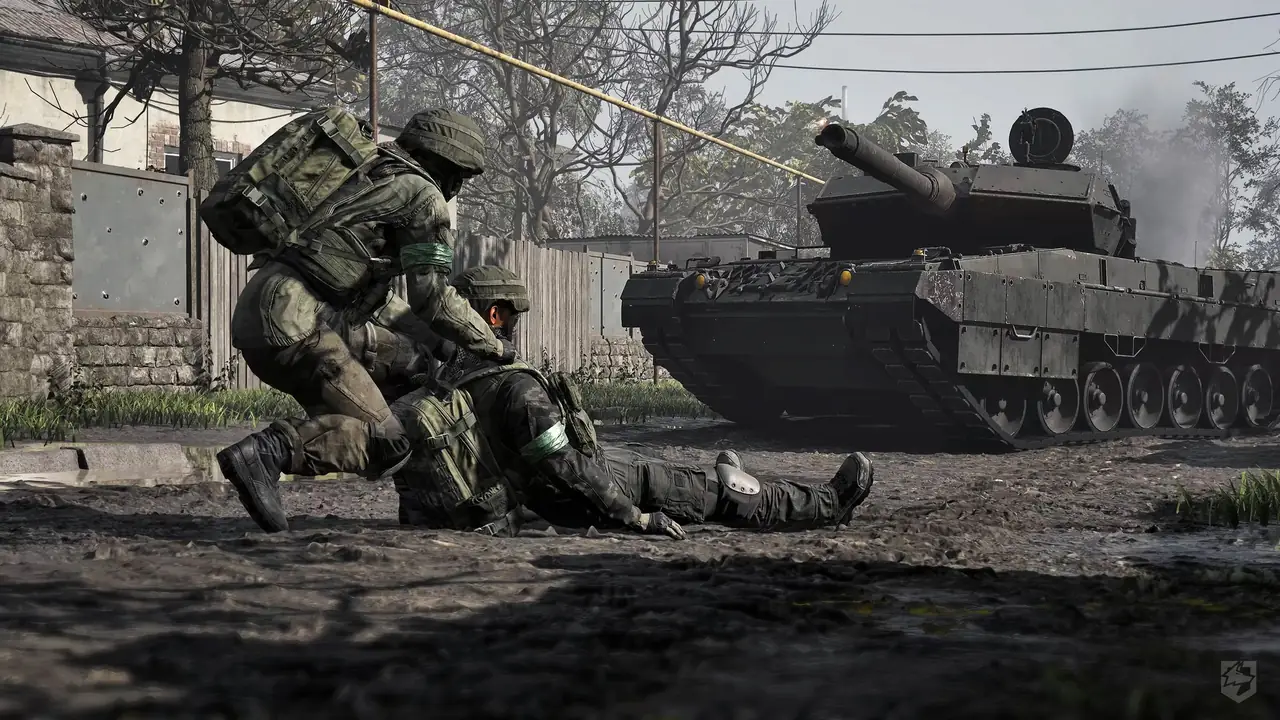
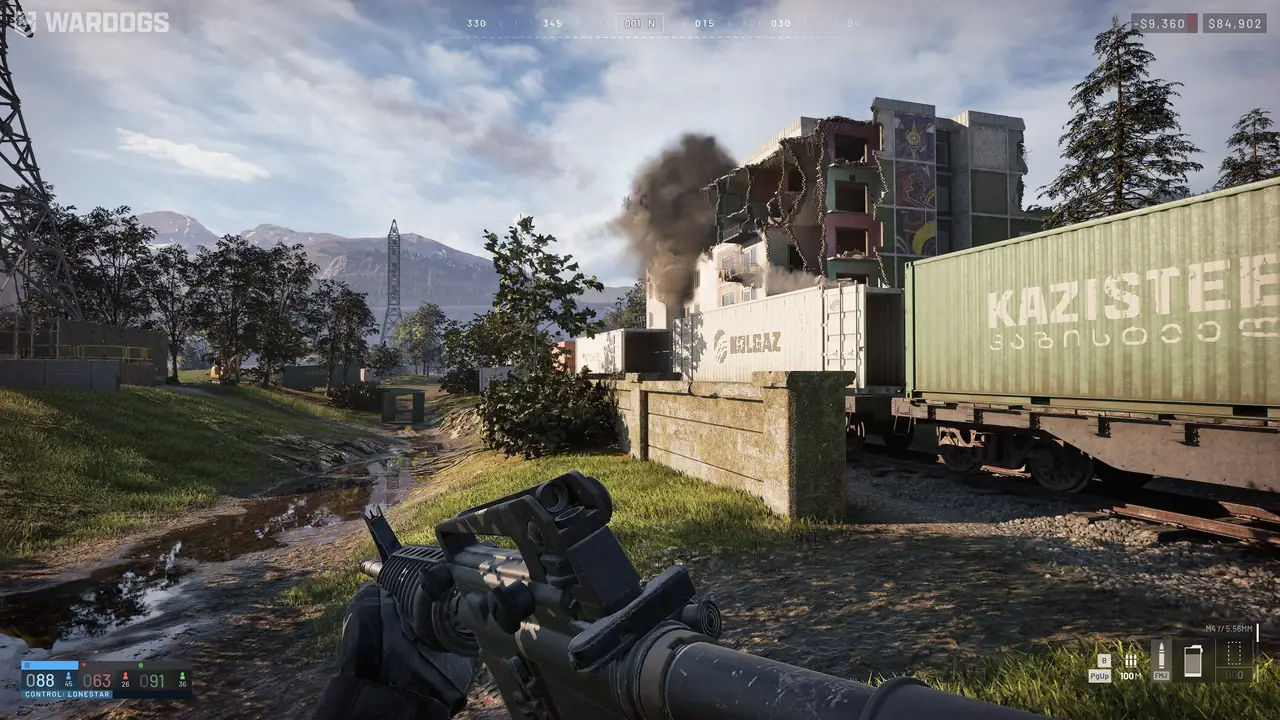
Access, party, matchmaking, voice
Crossplay remains a live check
Verify channels and range in client
Use current official signals
Run the smallest useful test
Classify the symptom → freeze the baseline → repeat one handoff → carry it into the match
The same short diagnostic order prevents an online failure from becoming a false gameplay conclusion.
- 1Classify the earliest failure
Separate store entitlement, client update, PC, party, matchmaking, voice, and in-match symptoms.
- 2Freeze the baseline
Keep account, platform, build, region, device, and network path visible for the first retry.
- 3Repeat one handoff
Test the same invite, queue, or voice action rather than changing several dependencies.
- 4Use the right status source
Bring the exact error and build to the current official channel when a live check remains unresolved.
- 5Carry success forward
Once the party reaches matchmaking, record the baseline and open the first-match route.
Online readiness board
WARDOGS online readiness board
WARDOGS is a Windows online multiplayer game with proximity voice chat. Classify entitlement, client, network, party, matchmaking, and in-match symptoms separately before changing gameplay variables.
7 matches WARDOGS online readiness board
Format check · Access
Windows online multiplayer route
The current store scope lists WARDOGS for Windows PC online multiplayer.
- Platform
- Windows PC
- Format
- Online multiplayer
- Unknown
- Crossplay · region · uptime
Player job
Confirm the session format before diagnosing a match problem.
Use now
Check platform, account, update state, and connection before entering a party.
Safe next action
Confirm the party handoff reaches matchmaking with the intended group before changing gameplay plans.
Risk
Online format does not confirm crossplay, region routing, or server health.
Communication check · Voice & network
Proximity voice is a live team variable
The store listing identifies proximity voice chat as part of the online feature set.
- Feature
- Proximity voice chat
- Test
- Party and match audio
- Unknown
- Range · channels · routing
Player job
Separate voice routing from objective, role, or weapon failure.
Use now
Test voice with the party and note whether the current client exposes proximity behavior in the match.
Safe next action
Use a short non-voice fallback call when the audio path is unclear.
Risk
Voice range, mute behavior, channels, and platform routing require live-client confirmation.
Party check · Party
Test the party handoff before the match
A failed invite or party join is an access symptom until the client reaches the relevant online screen.
- Record
- Account · build · party · platform
- Test
- Invite or join
- Next
- Exact visible message
Player job
Know whether the group can enter the same session before changing loadouts.
Use now
Record account, build, party size, platform, and visible message during one join test.
Safe next action
Repeat the shortest failed handoff with the same device and connection.
Risk
Changing account, network, and role together hides the first dependency.
Matchmaking check · Matchmaking
Matchmaking behavior needs current-client evidence
The current public facts confirm online play but do not establish queue times, region rules, fill behavior, or server selection.
- Capture
- Time · region · party · build
- Unknown
- Queue · fill · region · server
- Handoff
- Current official status
Player job
Avoid turning one queue result into a universal server claim.
Use now
Record time, region, party state, queue result, and build before retrying.
Safe next action
Repeat with party size and region unchanged, then compare the visible result with the official status channel.
Risk
Early Access queues and server behavior can change during a patch or launch spike.
Network check · Voice & network
Separate latency symptoms from combat results
A connection symptom should be isolated before judging a weapon, role, or route.
- Compare
- Same device and network
- Record
- Visible symptom and time
- Avoid
- Gameplay conclusions from a network failure
Player job
Protect gameplay conclusions from a broken online baseline.
Use now
Repeat the shortest client or party test on the same known-good path and note the visible symptom.
Safe next action
Do not change loadout, role, route, and network at once.
Risk
The public scope does not publish a universal latency threshold or diagnosis rule.
Status check · Matchmaking
Use official status signals without promising uptime
Official announcements and community routes are useful handoffs, not a guaranteed uptime API.
- Bring
- Platform · build · region · time · error
- Use
- Current official status
- Not promised
- Universal uptime
Player job
Find a current signal when the live client cannot connect.
Use now
Bring platform, build, region, time, and exact error to the current official channel.
Safe next action
Keep the issue marked as a live check until reproduced in the client.
Risk
Community reports can describe different builds or local network paths.
Session handoff · Party
Carry the online baseline into the match guide
Once the party reaches matchmaking, the next task is the Control Zone and first contribution—not another access diagnosis.
- Carry
- Build · party · path · balance
- Next
- Zone and contribution
- Handoff
- First Match & Cash
Player job
Move cleanly from online readiness into gameplay evidence.
Use now
Record build, party, connection path, and starting balance before the first zone read.
Safe next action
Keep the online baseline unchanged for the first gameplay test.
Risk
A clean join does not prove every server or matchmaking behavior.
No matching WARDOGS Server Status & Matchmaking check
Clear the search or player-job filter to return to the bounded Access, Party, Matchmaking, Voice & network records.
When the answer does not fit
When matchmaking or voice fails
Change the first broken dependency and repeat the shortest test.
- 1Check account and client
Verify entitlement, current update, installed build, and launch screen.
- 2Hold the network path
Repeat on the same device and connection before changing gameplay settings.
- 3Test party and voice
Run one invite or audio handoff and save the exact visible message.
- 4Escalate with context
Use the current official status route when the live symptom remains unresolved.
Decision table
Choose the next online check
Choose the row that matches the failure in front of you; the action is a bounded next experiment, not a hidden-stat guarantee.
| Situation | Action | Why |
|---|---|---|
| The game will not launch | Verify entitlement, client update, and PC baseline. | The problem is upstream of matchmaking. |
| The party cannot join | Repeat the same invite with account, build, and network recorded. | One stable handoff isolates the failing layer. |
| Voice is unclear | Test proximity audio and use a short fallback call. | Communication can fail independently of the zone or weapon. |
| The queue is slow | Record region, time, party, build, and visible queue state. | The current public scope does not establish a universal queue rule. |
| The match starts | Carry the online baseline into the zone and cash guide. | Gameplay evidence begins after the session is playable. |
Share this guide
Send the answer when another player hits the same blocker.
Share the current WARDOGS route, or copy the link for Discord and group chat.
Player questions
Server Status & Matchmaking FAQ
Use the current game panel before spending rare resources on a value that can change.
Is WARDOGS online only?
The current public scope is Windows PC online multiplayer. Crossplay and matchmaking behavior remain live-client checks.
Does WARDOGS have proximity voice chat?
The current Steam listing identifies proximity voice chat. Verify the live range, channels, mute behavior, and platform routing.
How do I report a matchmaking problem?
Record platform, build, region, party size, time, queue state, and the exact visible message before using the current official status route.
Can one queue result prove servers are down?
No. Separate account, update, party, network, region, and server symptoms and repeat the shortest failed handoff.