

WARDOGS Maps & Control Zone
Randomized objectives, Eastern European industrial terrain, landmarks, routes, and map-state notes
WARDOGS Maps & Control Zone
Start each life by recording the live Control Zone, score, approach, cover, and fallback landmark, then re-read the route after vehicles, building, or destruction changes the battlefield.
What this page is for
A map-reading guide for turning a changing Control Zone into a short squad route and a reusable field note.
Player workflow
Use this page as a working handoff
Turn a randomized Control Zone into a callout the whole squad can act on immediately.
- Zone position and score
- Nearest visible landmark and approach
- Cover, threat, and fallback lane
A compact route note: objective, approach, owner, fallback, and the next re-check trigger.
After a zone move, vehicle handoff, building change, or destroyed landmark, discard the old route note and remap.
Natural next handoff Assign owners for the route
Use the page in three moves
Query first, test second, recover cleanly
WARDOGS map and zone field guide is a server-rendered reference with a light selector layered on top. Start from the named blocker, narrow once, and leave the full answer visible when a filter would hide useful context.
- 01Name the job
Start with the player problem, then use the search map, control zone, landmark, route, destruction, or fallback control instead of scanning every row.
- 02Read one matching record
Use the wardogs map and zone field guide result to compare the job, fields, confidence, and safe next action before changing another variable.
- 03Verify the live result
Run the smallest test that can disprove the current plan, keep the baseline you can reproduce, and record the exact condition that changes your next move.
Covered on this pageTerrain · Control Zone · Landmarks · Route notes
Best first queryIndustrial mountains of Eastern Europe
If nothing matchesNo matching WARDOGS Maps & Control Zone check
Read the live objective
A randomized zone makes the first map call a current-state question
The map answer is where the team must act now, not which screenshot looks familiar.
WARDOGS places three teams around a randomized Control Zone in a destructible industrial mountain setting. That combination makes a static “best route” fragile. At the start of the life, call the zone, score, team presence, nearest approach, and one landmark. This gives the squad a common picture before weapons, vehicles, or building choices pull attention elsewhere.
Treat zone scale as a route variable. A smaller or farther objective may change whether the team needs transport, edge presence, or a safer regroup. The official material does not provide a universal travel time or score pace, so use the live display and a short call rather than an invented formula.
A map note becomes reusable when it describes the task: contest the near edge, open access, escort a revive, hold a fallback, or re-enter after destruction. Compare that task across different zone locations instead of promising a coordinate path that the next match may not use.
- ReadZone, score, presence, scale, approach.
- AnchorOne landmark the squad can see and repeat.
- TaskState what the route is meant to change.
Keep destruction in the map model
A route is only current until the battlefield changes
Building and destruction are map-state changes, not decoration.
Before a squad removes cover or opens a new lane, name the retreat. The push may become easier while the return becomes exposed; a vehicle may fit through the new opening while infantry cannot hold it; a familiar silhouette may disappear. Re-read the zone and landmark after the change instead of continuing from the old call.
This also applies to transport. A vehicle route that was safe before a wall fell may now be predictable, while a new opening may create a better dismount. The map page therefore records the relationship between zone, route, cover, and fallback rather than claiming that any object is permanently safe.
When the client exposes stable map names or location records, this field guide can grow into a bounded map database. Until then, the live map note is the most useful repeatable tool available to a player in a changing match.
- BeforeName the fallback before changing cover or access.
- AfterRecheck zone, cover, vehicle lane, and return.
- FuturePromote stable client map records only after verification.
Separate scenes from coverage
A screenshot can orient a route without proving a map roster
Visual context helps recognition; it does not provide coordinates, loot, or rotation truth.
The official scenes establish the industrial mountain mood and the combined-arms/destruction promise. They do not identify every map, point of interest, spawn, objective cycle, or loot location. Keep those fields unknown until a player can verify them in the current build and repeat the observation.
That boundary is not a reason to leave the player empty-handed. A squad can still use the screen to make a short objective call, preserve a return landmark, and document the current state for the next life. The record should include build, zone, visible landmark, task, and first result so future updates can be compared.
A complete map hub will be added when stable map records exist. It should then connect locations to weapons, vehicles, economy, and team jobs through tested relationships rather than simply adding a gallery of screenshots.
- VisualUse scenes for orientation and recognition.
- UnknownKeep names, coordinates, loot, and rotations unconfirmed.
- ConnectFuture maps should change route, loadout, and team decisions.
Visual reference
See the game context before making the lookup
These local game scenes establish the situation this page addresses. They support orientation only; the actionable answer remains in the text, fields, and recovery route below.
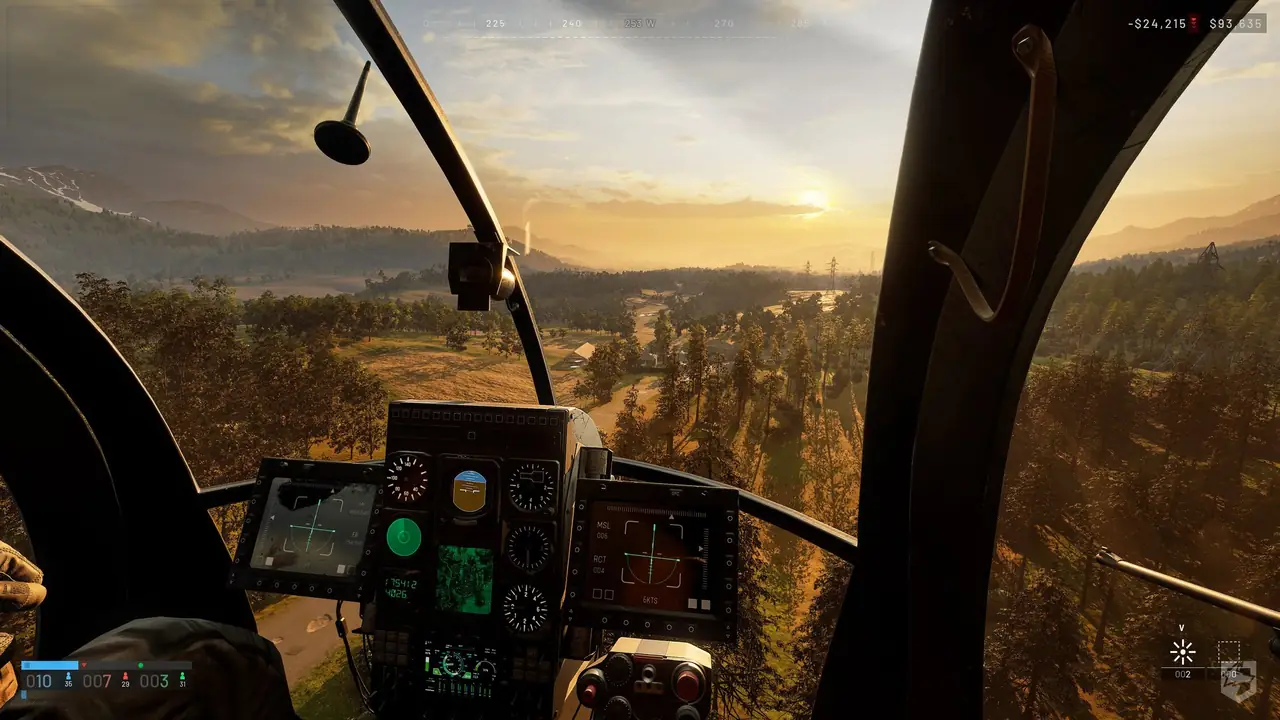
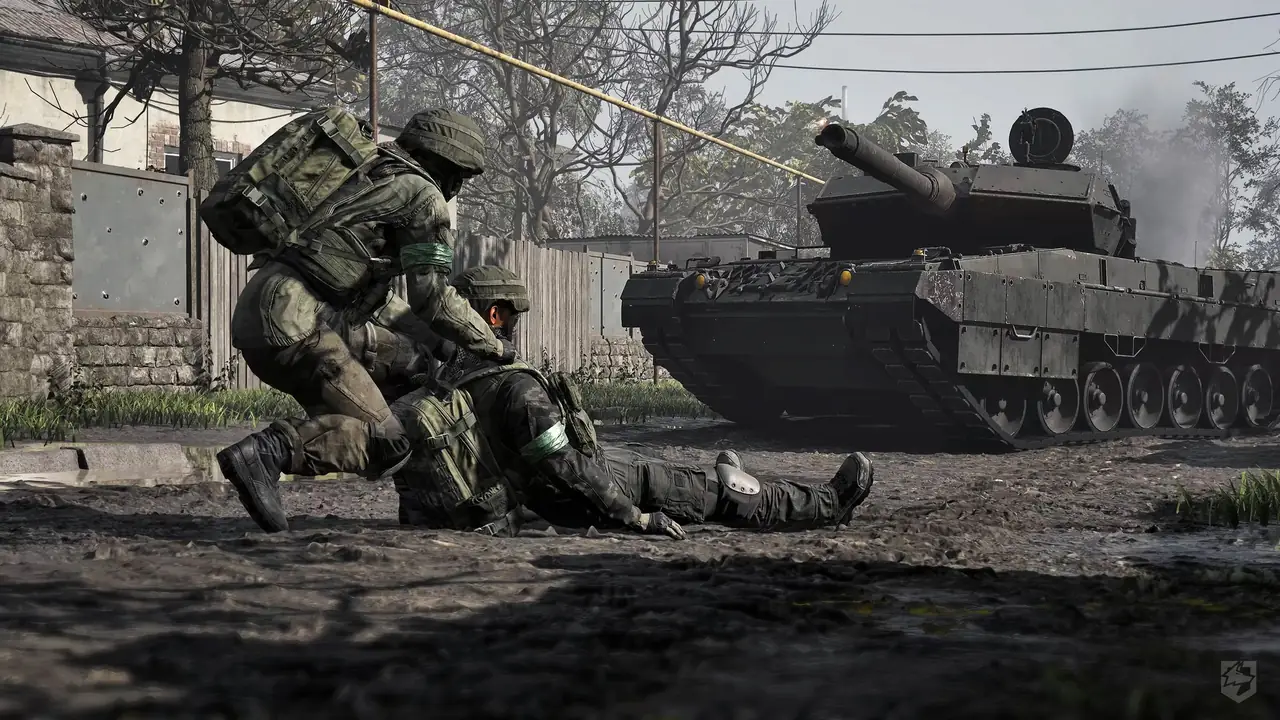
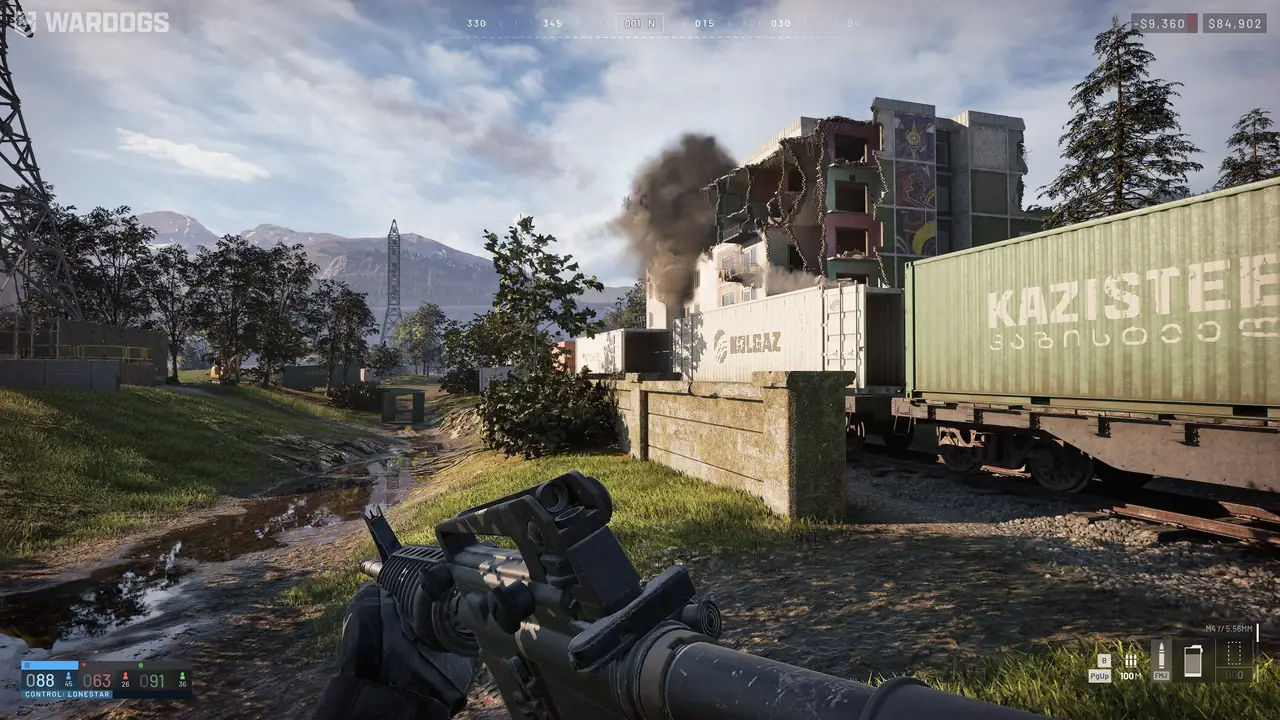
Zone, terrain, routes, landmarks
Eastern Europe battlefield
Read the live Control Zone
Do not infer names from scene art
Run the smallest useful test
Locate the zone → name a landmark → choose the approach → preserve a fallback → re-map
This field note makes a changing battlefield usable without relying on a fixed route.
- 1Locate the live zone
Read zone position, score, team presence, scale, and the nearest usable approach.
- 2Name a landmark
Choose a visible structure, road, ridge, or opening that the squad can use as a return anchor.
- 3Choose the task route
State whether the team is contesting, holding, transporting, reviving, building, or retreating.
- 4Preserve the fallback
Keep one route back before a vehicle move, fortification, or destruction change.
- 5Re-map after change
Recheck cover, access, score, and the landmark after the zone or battlefield changes.
Map and zone field guide
WARDOGS map and zone field guide
Start each life by recording the live Control Zone, score, approach, cover, and fallback landmark, then re-read the route after vehicles, building, or destruction changes the battlefield.
7 matches WARDOGS map and zone field guide
Setting reference · Terrain
Industrial mountains of Eastern Europe
Official material places the battlefield in derelict industrial mountains of Eastern Europe.
- Setting
- Derelict industrial mountains
- Region
- Eastern Europe
- Use
- Visual orientation
Player job
Use the setting as a visual orientation without treating it as a named map list.
Use now
Anchor calls to visible structures, roads, elevation, and damage state in the current match.
Safe next action
Describe the route by what the squad can see now, not by a remembered screenshot.
Risk
A setting description does not establish map names, rotations, or exact locations.
Objective read · Control Zone
Randomized Control Zone
The Control Zone is randomized, so the opening route must be read from the live objective.
- Objective
- Randomized Control Zone
- Record
- Position · score · presence · approach
- Next
- Short route call
Player job
Find the scoring pressure before choosing a weapon, vehicle, or flank.
Use now
Record zone position, score, team presence, nearest approach, and one return landmark.
Safe next action
Make the first call specific to the current zone and squad position.
Risk
A route that worked in one zone can be unsafe or irrelevant in the next.
Route check · Control Zone
Zone scale is a live route variable
Official feature material describes randomized zone scale, making travel distance and support timing part of the current read.
- Variable
- Zone scale
- Decision
- Presence · transport · approach
- Unknown
- Timing and scoring pace
Player job
Decide whether the team needs presence, transport, or a safer approach.
Use now
Estimate the next handoff from the live zone size and squad position instead of a fixed rotation.
Safe next action
Recheck the zone after every major route or battlefield change.
Risk
A scale impression is not a published timing, boundary, or score formula.
Navigation check · Landmarks
Use one visible landmark as a return anchor
Destructible industrial terrain needs a return reference that survives the first route decision.
- Anchor
- Visible structure, road, ridge, or opening
- Use
- Regroup and return
- Recheck
- After destruction or zone move
Player job
Keep the squad oriented after a vehicle move, fight, or construction change.
Use now
Name a structure, road, ridge, or damaged opening that the squad can call without a coordinate system.
Safe next action
Keep the landmark outside the immediate danger and visible from the regroup lane.
Risk
Destruction can remove a familiar silhouette or make an old call ambiguous.
Field note · Route notes
Write the route as a player task
A useful map note describes what the team must do, not a generic screenshot caption.
- Note shape
- Objective · threat · cover · fallback
- Compare
- Same task type
- Avoid
- Fixed path promise
Player job
Create a route note that remains useful when the objective moves.
Use now
Write objective, threat, cover, handoff, fallback, and next check in one compact note.
Safe next action
Compare the same task type across different zones rather than copying a fixed path.
Risk
A static route can become a trap when the zone, team presence, or destruction state changes.
Battlefield update · Route notes
Re-map after building or destruction
Building and destruction can change cover and access inside the current battlefield.
- Trigger
- Building or destruction
- Recheck
- Zone · cover · vehicle lane · retreat
- Safe move
- Keep one fallback
Player job
Know when the previous map read is no longer safe.
Use now
Recheck the zone edge, cover, vehicle lane, and retreat after one battlefield change.
Safe next action
Preserve a visible fallback before removing the only readable route.
Risk
A new opening can improve the push while exposing the return.
Coverage boundary · Terrain
Do not publish a map roster from scene art
Official screenshots and trailers orient the setting but do not identify a complete named map or point-of-interest dataset.
- Current output
- Field guide
- Deferred fields
- Names · coordinates · loot · rotations
- Reopen when
- Stable client map records
Player job
Use the map page without confusing visual coverage for map completeness.
Use now
Keep stable map names, coordinates, loot, and rotations as live-client checks until verified.
Safe next action
Publish a field-reading rule and record the current build when reporting a location.
Risk
A scene image can be reused across builds or show a route that is not the live objective.
No matching WARDOGS Maps & Control Zone check
Clear the search or player-job filter to return to the bounded Control Zone, Terrain, Landmarks, Route notes records.
When the answer does not fit
When the route becomes wrong
Re-map the current objective rather than defending a remembered path.
- 1Find the earliest change
Was it the zone, score, team presence, cover, vehicle lane, or landmark?
- 2Restore orientation
Name the current zone and one visible return anchor before moving.
- 3Change one route variable
Alter approach, transport, cover, or fallback while keeping the task the same.
- 4Record the build
If the battlefield differs after a patch, capture the current client state rather than inventing a map rule.
Decision table
Choose the next map read
Choose the row that matches the failure in front of you; the action is a bounded next experiment, not a hidden-stat guarantee.
| Situation | Action | Why |
|---|---|---|
| The zone is far from the squad | Compare transport, edge presence, and a safe approach. | Zone scale changes the useful route. |
| The old landmark disappeared | Choose a new visible structure or road as the return anchor. | Destruction can invalidate a familiar call. |
| A route is exposed | Preserve a fallback before changing cover or access. | The push and retreat must both remain readable. |
| A screenshot shows an interesting location | Use it as orientation, not as a named map fact. | Scene art does not prove map coverage. |
| The zone moves after the first action | Re-read score, presence, approach, and task. | The current objective outranks the previous route. |
Share this guide
Send the answer when another player hits the same blocker.
Share the current WARDOGS route, or copy the link for Discord and group chat.
Player questions
Maps & Control Zone FAQ
Use the current game panel before spending rare resources on a value that can change.
Are WARDOGS maps randomized?
The Control Zone is randomized and its scale can change the useful route. Read the live objective instead of copying a fixed path.
What map is WARDOGS set on?
Official material describes derelict industrial mountains in Eastern Europe. Named maps, coordinates, and rotations require current-client verification.
What should I record on a WARDOGS map?
Record zone position, score, team presence, approach, one landmark, fallback, and the battlefield change that affected the route.
Does this page include loot and point-of-interest locations?
Not until stable current-client map records support those claims.