

WARDOGS Building & Destruction

Fortification, destruction, route changes, fallback landmarks, and engineering decisions
WARDOGS Building & Destruction
Change one battlefield feature for a named objective—cover, access, pressure, or retreat—then re-read the Control Zone and preserve a visible way back before making another change.
What this page is for
A battlefield guide for making construction and destruction create a safer next action rather than an unreadable collapse.
Player workflow
Use this page as a working handoff
Make one build or destruction change that improves the next objective action while preserving retreat.
- The exact blocker: cover, access, pressure, or retreat
- Feature to change and player who owns it
- Fallback landmark and re-read trigger
One terrain change with a visible benefit, known consequence, and recovery route.
Never remove the only readable exit before naming where the squad retreats if the push stalls.
Natural next handoff Re-map the changed battlefield
Use the page in three moves
Query first, test second, recover cleanly
WARDOGS battlefield change guide is a server-rendered reference with a light selector layered on top. Start from the named blocker, narrow once, and leave the full answer visible when a filter would hide useful context.
- 01Name the job
Start with the player problem, then use the search building, destruction, cover, engineer, route, fallback, or fortification control instead of scanning every row.
- 02Read one matching record
Use the wardogs battlefield change guide result to compare the job, fields, confidence, and safe next action before changing another variable.
- 03Verify the live result
Run the smallest test that can disprove the current plan, keep the baseline you can reproduce, and record the exact condition that changes your next move.
Covered on this pageCover · Access · Engineering · Recovery
Best first queryBuild for a cover problem
If nothing matchesNo matching WARDOGS Building & Destruction check
Start with the blocker
Building and destruction answer different battlefield questions
A stronger-looking battlefield is not automatically a better route.
The first choice is whether the squad lacks cover or access. Building can protect a zone edge or a revive lane; destruction can open a route or remove enemy shelter. Name that blocker before touching the battlefield so the next result has a clear meaning.
Assign one owner to the change and one player to the fallback. That ownership keeps the team from treating a new wall or opening as the entire plan. The objective, score, and route still decide whether the change is useful.
The safest first test is small: one feature, one objective task, one visible landmark. If the change improves access or survival without losing presence, the squad has a reason to test a second feature. If it creates a new problem, the return is still readable.
- CoverProtect presence, support, or recovery.
- AccessOpen the route that the current zone needs.
- FallbackKeep one way back before committing.
Re-read after the change
A terrain update invalidates the old map call
The next action belongs to the current battlefield, not the previous one.
After building or destruction, read the zone, score, team presence, vehicle lane, and retreat again. The same opening that helped the push may now expose the return; a new cover piece may protect the squad while blocking a transport path. A short call—objective, route, threat, fallback—keeps the team synchronized.
If the zone moved at the same time, treat the terrain change and objective change as separate observations. Keep the task type stable, such as contesting the nearest edge or escorting a revive, so the next life can compare a decision rule even when the geography differs.
This method creates the evidence needed for a future construction tool. Stable material, timing, damage, repair, and limit fields can be promoted later; until then, the route and recovery decision are the reliable core.
- Re-readZone, score, presence, cover, vehicle lane, retreat.
- SeparateDo not mix terrain and objective changes without noting both.
- PromoteAdd tools only when client fields are stable.
Preserve the team’s next life
A battlefield change should create an experiment, not a permanent trap
The return route is part of the decision.
A new opening can create an exposed lane, and a new wall can remove an exit. Keep a landmark visible and tell the squad what happens if the first push stalls. This is especially important when the change is paired with a vehicle or a cash purchase: the team should know which dependency to change on the retry.
If the result is unclear, hold the same objective task and change only the terrain feature or fallback. Avoid swapping role, weapon, vehicle, and route together. The goal is to learn whether the battlefield change solved the blocker—not to produce a dramatic but unrepeatable scene.
A complete building module will need stable current-client rules. Until then, the player still gets a concrete decision boundary, recovery route, and field-note structure that can be reused every match. Keep the note short enough to repeat between lives, and preserve the exact build label whenever a patch changes the result.
- BeforeName the objective and fallback.
- DuringMake one change and call the consequence.
- AfterRecord whether access, cover, or presence changed.
Visual reference
See the game context before making the lookup
These local game scenes establish the situation this page addresses. They support orientation only; the actionable answer remains in the text, fields, and recovery route below.
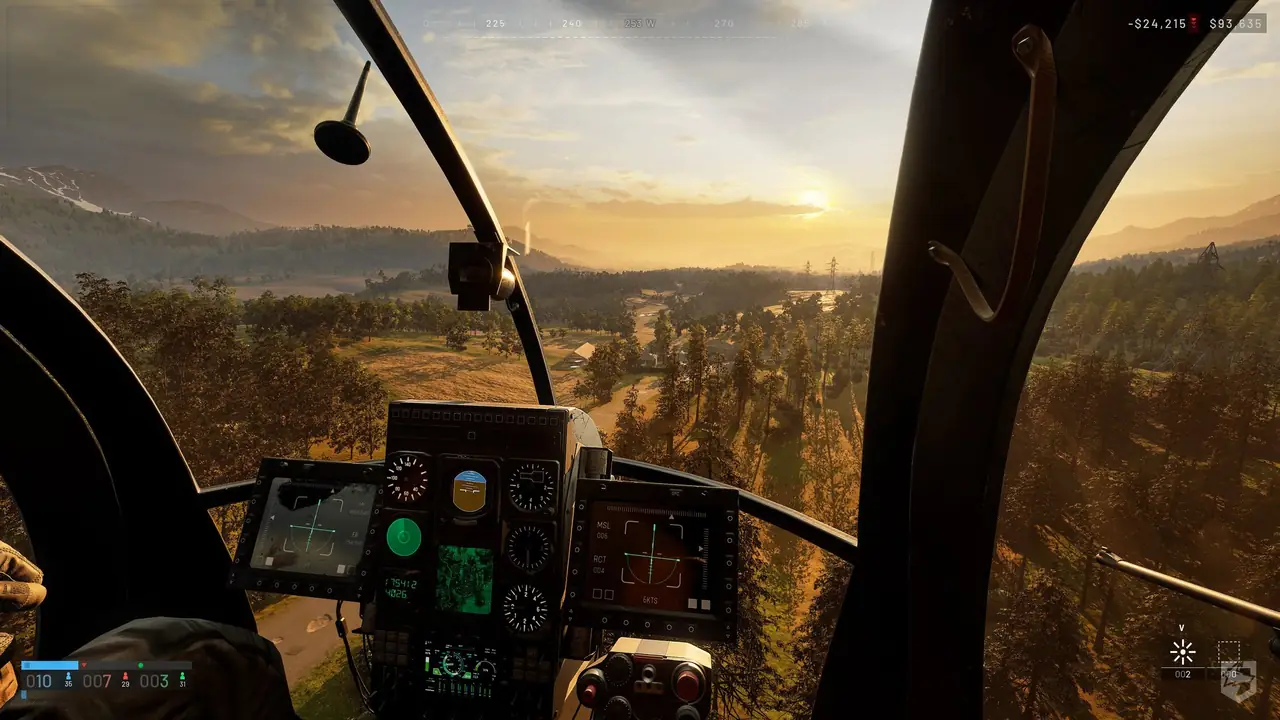
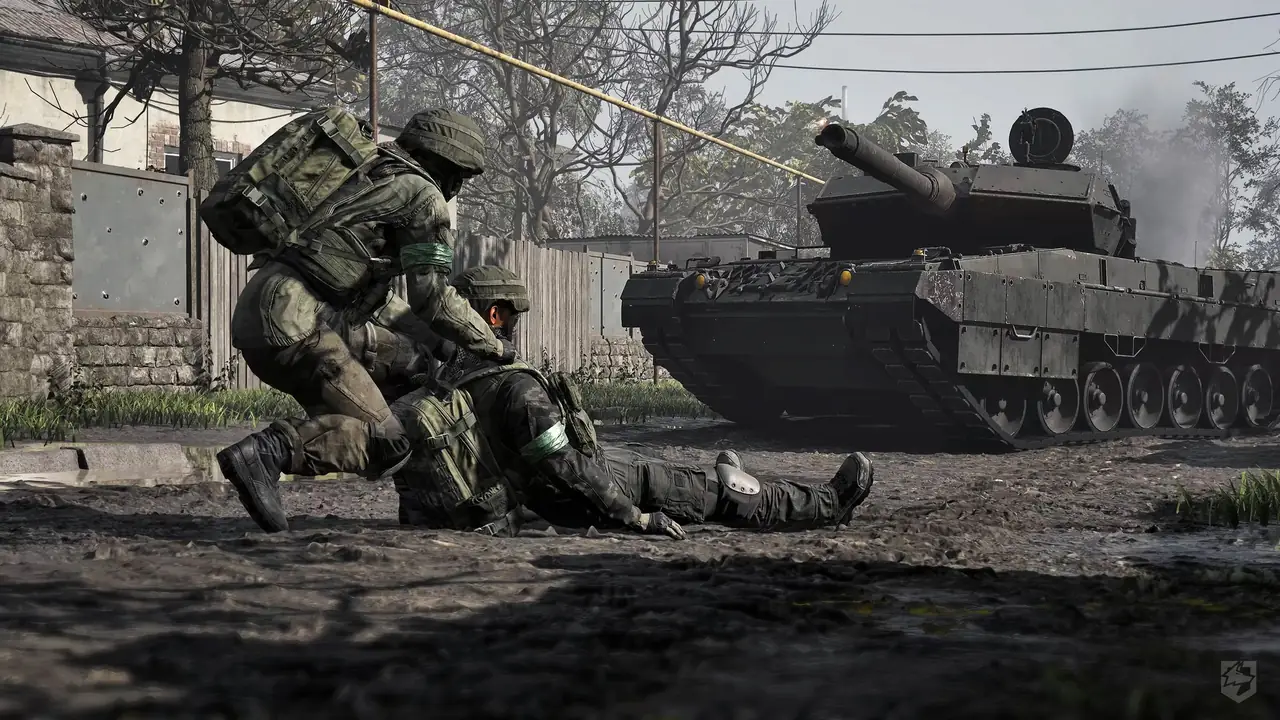
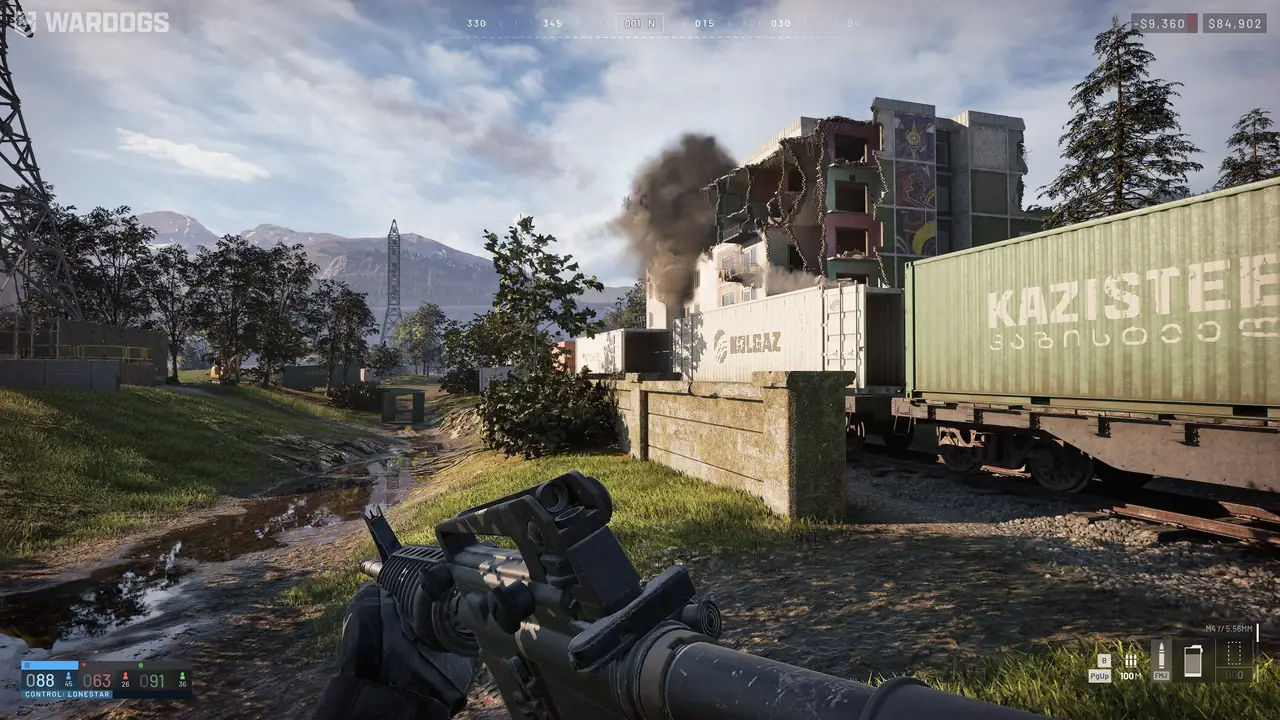
Cover, access, engineering, recovery
Name the blocker first
Keep the objective task stable
Verify materials and limits
Run the smallest useful test
Name the blocker → choose one terrain change → protect the fallback → re-read the zone → compare
Construction and destruction become useful when the team can explain what changed and still return.
- 1Name cover or access
Decide whether the current failure is missing protection or a blocked route.
- 2Assign ownership
Choose the Builder, Engineer, or player who will make and call the change.
- 3Make one change
Alter one wall, opening, cover lane, or battlefield feature for the current task.
- 4Protect the fallback
Keep a landmark and return route before the squad commits to the new shape.
- 5Re-read the zone
Compare score, presence, access, cover, survival, and the next safe move.
Battlefield change guide
WARDOGS battlefield change guide
Change one battlefield feature for a named objective—cover, access, pressure, or retreat—then re-read the Control Zone and preserve a visible way back before making another change.
6 matches WARDOGS battlefield change guide
Battlefield choice · Cover
Build for a cover problem
Building can change how the squad survives an approach to the zone.
- Problem
- Missing cover
- Test
- One cover change
- Keep
- Return route
Player job
Decide whether the current loss is missing cover rather than missing damage.
Use now
Place or choose one cover change that supports the current zone edge and return.
Safe next action
Keep a second route or landmark before committing the team behind the new cover.
Risk
A fortification can trap the squad or remove a useful retreat.
Battlefield choice · Access
Destroy for an access problem
Destruction can open a route, but the opening must still serve the objective and the squad.
- Problem
- Blocked access
- Test
- One route change
- Recheck
- Zone · pressure · retreat
Player job
Choose whether removing a barrier improves the next handoff.
Use now
Change one route feature, then check zone position, enemy pressure, vehicle access, and retreat.
Safe next action
Name the exit before removing the only readable cover.
Risk
An opening can help the push while exposing the return or the next life.
Ownership check · Engineering
Engineering owns the consequence
Builders and Engineers are named role examples, but the useful job is managing the battlefield consequence.
- Owner
- Builder or Engineer lane
- Before
- Fallback and objective
- After
- Re-read route
Player job
Give one player responsibility for the change and its fallback.
Use now
Assign the change, the safe landmark, and the re-read call before acting.
Safe next action
Treat engineering as a handoff with a return condition.
Risk
A role label alone does not confirm the exact live tool or ability.
Objective check · Recovery
Re-read the zone after terrain changes
A zone and battlefield that changed together need a new objective call.
- Recheck
- Zone · score · cover · vehicle lane
- Call
- Objective · route · threat · fallback
- Trigger
- Terrain change
Player job
Keep the route connected to the current score and presence.
Use now
After building or destruction, recheck zone, score, cover, vehicle lane, and squad position.
Safe next action
Make the next call short: objective, route, threat, fallback.
Risk
The team can keep following a route that no longer leads to the scoring area.
Test process · Recovery
Make one battlefield change at a time
Changing cover, vehicle route, role, weapon, and objective at once removes the comparison.
- Hold
- Job · zone task · squad
- Change
- One feature
- Measure
- Access · cover · survival · presence
Player job
Learn whether the terrain change solved the first blocker.
Use now
Hold the job and zone task steady while changing one feature.
Safe next action
Use a short route or zone edge to evaluate the result.
Risk
A chaotic terrain change can look successful while creating a worse retreat.
Coverage boundary · Engineering
Exact construction rules need a live check
The public feature description confirms building and destruction but not materials, limits, damage, repair, or timing.
- Confirmed
- Building and destruction
- Unknown
- Materials · limits · damage · repair · timing
- Reopen
- Stable client fields
Player job
Use the battlefield guide without inventing a construction simulator.
Use now
Capture visible client costs, tools, limits, and timings when they become stable.
Safe next action
Keep unsupported fields unknown and use the route decision now.
Risk
A guessed build value can produce the wrong purchase or retreat.
No matching WARDOGS Building & Destruction check
Clear the search or player-job filter to return to the bounded Cover, Access, Engineering, Recovery records.
When the answer does not fit
When the terrain change backfires
Keep the task and change one battlefield dependency.
- 1Name the new loss
Was the problem access, cover, retreat, vehicle movement, zone presence, or communication?
- 2Restore orientation
Find the current zone and a visible landmark before making another change.
- 3Undo one dependency
Change the feature or route tied to the first broken handoff.
- 4Record the client state
Capture build, visible tool, cost, timing, or limit if the behavior changed.
Decision table
Choose the next battlefield change
Choose the row that matches the failure in front of you; the action is a bounded next experiment, not a hidden-stat guarantee.
| Situation | Action | Why |
|---|---|---|
| The approach has no cover | Build one protected lane with a return route. | The objective still needs presence after the construction. |
| A barrier blocks the zone route | Destroy or engineer one opening and preserve an exit. | Access without retreat creates a new blocker. |
| The zone moves after construction | Re-read the new zone before adding another feature. | The current objective outranks the old plan. |
| A wall traps the squad | Change the fallback first, not the entire loadout. | The failure is a route dependency. |
| A guide claims exact build limits | Verify the current client field and build. | The public material confirms the feature, not every value. |
Share this guide
Send the answer when another player hits the same blocker.
Share the current WARDOGS route, or copy the link for Discord and group chat.
Player questions
Building & Destruction FAQ
Use the current game panel before spending rare resources on a value that can change.
When should I build in WARDOGS?
Build when the current blocker is missing cover, a protected revive lane, or a zone approach—not simply because a surface is available.
When should I destroy a route?
Destroy or engineer one opening when access is the blocker, then preserve a fallback and re-read the zone.
Do we know exact building costs and limits?
The current public material confirms building and destruction but not every material, timing, damage, repair, or limit field.
How do I recover after a bad terrain change?
Keep the task, find the current zone and landmark, and change only the feature or route tied to the first broken handoff.