

WARDOGS Vehicles & Combined Arms
Transport, armored pressure, pilot handoffs, dismount safety, and live vehicle checks
WARDOGS Vehicles & Combined Arms
Treat a WARDOGS vehicle as a route decision: name the access problem, carry the squad to a useful handoff, keep a dismount and return point, then compare the result with the zone still visible.
What this page is for
A combined-arms route for deciding when transport or armor helps the team and when it simply moves the failure farther from the objective.
Player workflow
Use this page as a working handoff
Use transport or armor to solve a named access problem without arriving disconnected from the objective.
- Destination and reason for moving
- Pilot, passengers, and post-dismount owner
- Dismount cover and return landmark
A short route that ends in an owned objective action, not a blind rotation.
If the squad has no destination, owner, or way back, the vehicle is not ready for a longer route.
Natural next handoff Re-read the live zone after arrival
Use the page in three moves
Query first, test second, recover cleanly
WARDOGS vehicle decision board is a server-rendered reference with a light selector layered on top. Start from the named blocker, narrow once, and leave the full answer visible when a filter would hide useful context.
- 01Name the job
Start with the player problem, then use the search vehicle, transport, pilot, dismount, armor, or route control instead of scanning every row.
- 02Read one matching record
Use the wardogs vehicle decision board result to compare the job, fields, confidence, and safe next action before changing another variable.
- 03Verify the live result
Run the smallest test that can disprove the current plan, keep the baseline you can reproduce, and record the exact condition that changes your next move.
Covered on this pageTransport · Combined arms · Pilot handoff · Vehicle safety
Best first queryVehicles sit inside the per-life purchase layer
If nothing matchesNo matching WARDOGS Vehicles & Combined Arms check
Vehicles are route tools
A vehicle is valuable only when it changes the next objective action
Combined arms is a means to reach or reshape the fight, not a separate scoreboard.
WARDOGS describes a battlefield where transport and combined arms can change how a squad reaches the Control Zone. That makes vehicle selection a route question. Before buying or taking a vehicle, state what the squad cannot currently do: cross an exposed approach, recover a downed teammate, regroup after a rotation, or keep enough presence at the zone edge.
Then define the handoff. One player owns the movement, one knows the destination, and everyone knows where the squad will dismount and how it will return. This short call keeps the vehicle connected to the objective. Without it, a vehicle can create the illusion of progress while the team arrives outside the scoring pressure.
The first test should be short. A small transport to a visible landmark teaches more than a long rotation whose failure could be route, timing, enemy pressure, or communication. If the handoff works, expand the route one variable at a time.
- WhyName the access or regroup blocker before selecting a vehicle.
- WhoAssign pilot, passengers, destination, dismount, and fallback.
- How farTest the shortest route that can affect the zone.
Keep the infantry handoff readable
The most important vehicle moment is the dismount
Arrival is only useful if the squad can immediately contest, support, or recover.
Pick the dismount point from the current zone and battlefield, not from a remembered route. A cover landmark, a safe edge, and a way back give passengers a next action the moment they leave the vehicle. If the route ends in an exposed dead end, the vehicle solved travel but not survival or presence.
Keep the pilot and passengers aligned on the return plan. If one player stays with the vehicle while others enter the zone, that ownership is a deliberate choice; if everyone leaves, the loss of transport should be acceptable. The exact seat and repair rules require the live client, so the page focuses on the decision relationship rather than invented specifications.
A good log contains the vehicle role, route length, dismount landmark, zone state, and first result. That record can later become a real vehicle database if the client exposes stable identifiers and fields.
- LandmarkUse a visible point to anchor the dismount and return.
- OwnershipDecide who pilots, who rides, and who owns the zone after arrival.
- EvidenceRecord the handoff before judging vehicle strength.
Do not turn scenes into stats
Trailer armor is context, not a vehicle specification
The current source set confirms combined-arms intent but not a complete vehicle table.
An armored scene can show that pressure and protection are part of the game’s fantasy; it cannot establish armor points, damage reduction, weapon penetration, speed, cost, seat count, repair time, or spawn rules. Keep those values as current-client checks until a repeated record exists.
This boundary still leaves a useful player answer. When the approach is exposed, test whether the vehicle changes access or team survival while keeping the zone visible. When the squad is already close, a vehicle may add noise or remove a fallback. The correct choice is conditional on the problem in front of the team.
When Early Access provides stable vehicle fields, expand this module with a bounded reference or comparison tool. Until then, a route and handoff guide is faster and more honest than a list of unverified tanks.
- ConfirmedTransport, combined arms, and battlefield pressure are real design signals.
- UnknownRoster, costs, seats, durability, and damage need the current client.
- NextCapture stable fields before adding a database.
Visual reference
See the game context before making the lookup
These local game scenes establish the situation this page addresses. They support orientation only; the actionable answer remains in the text, fields, and recovery route below.
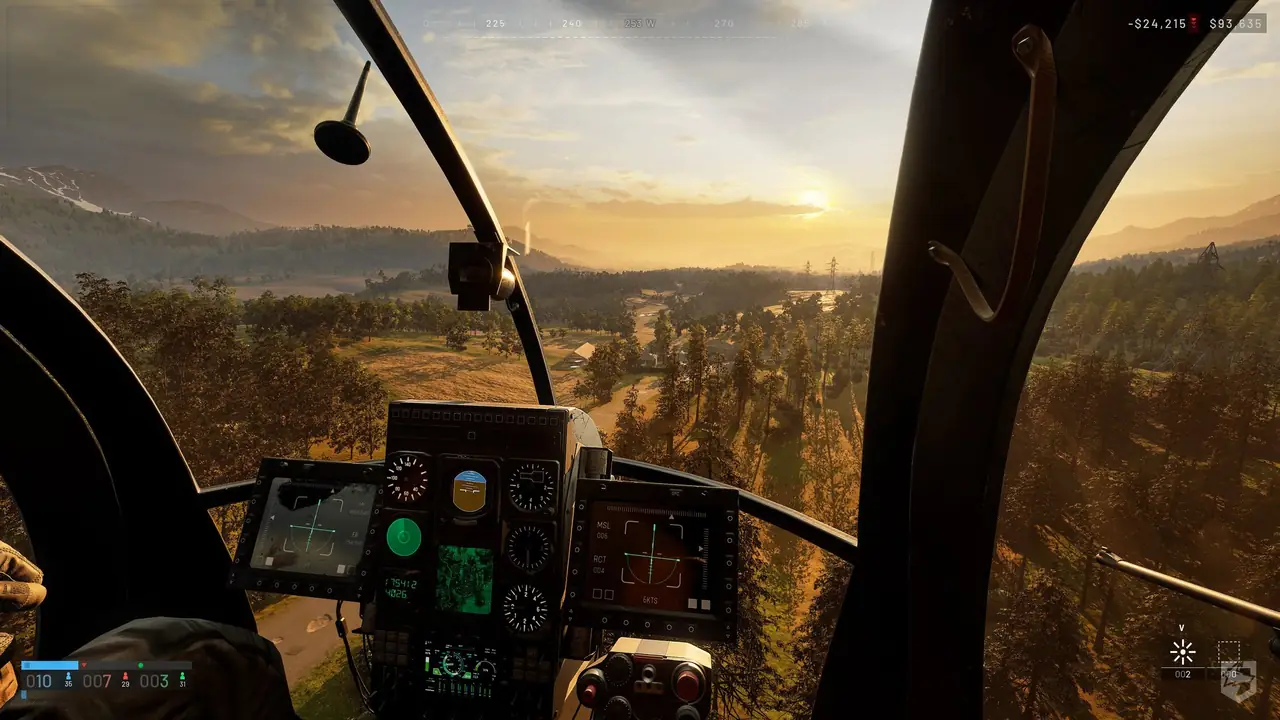
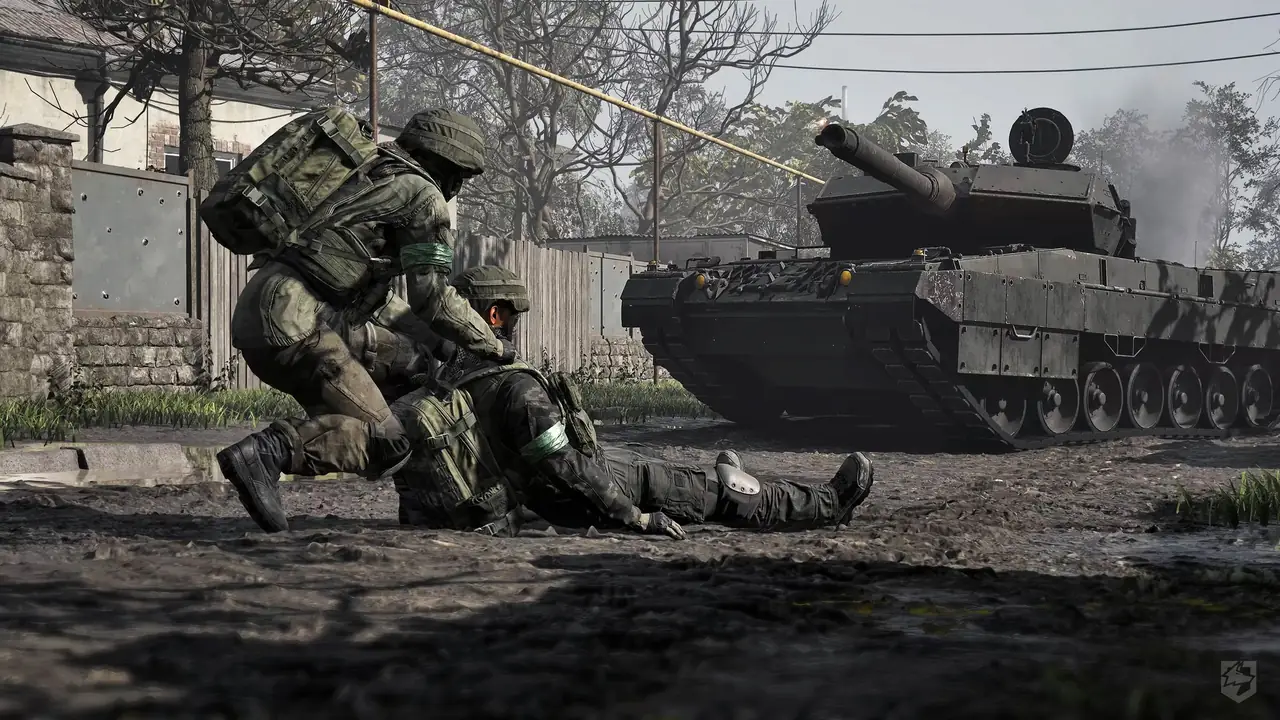
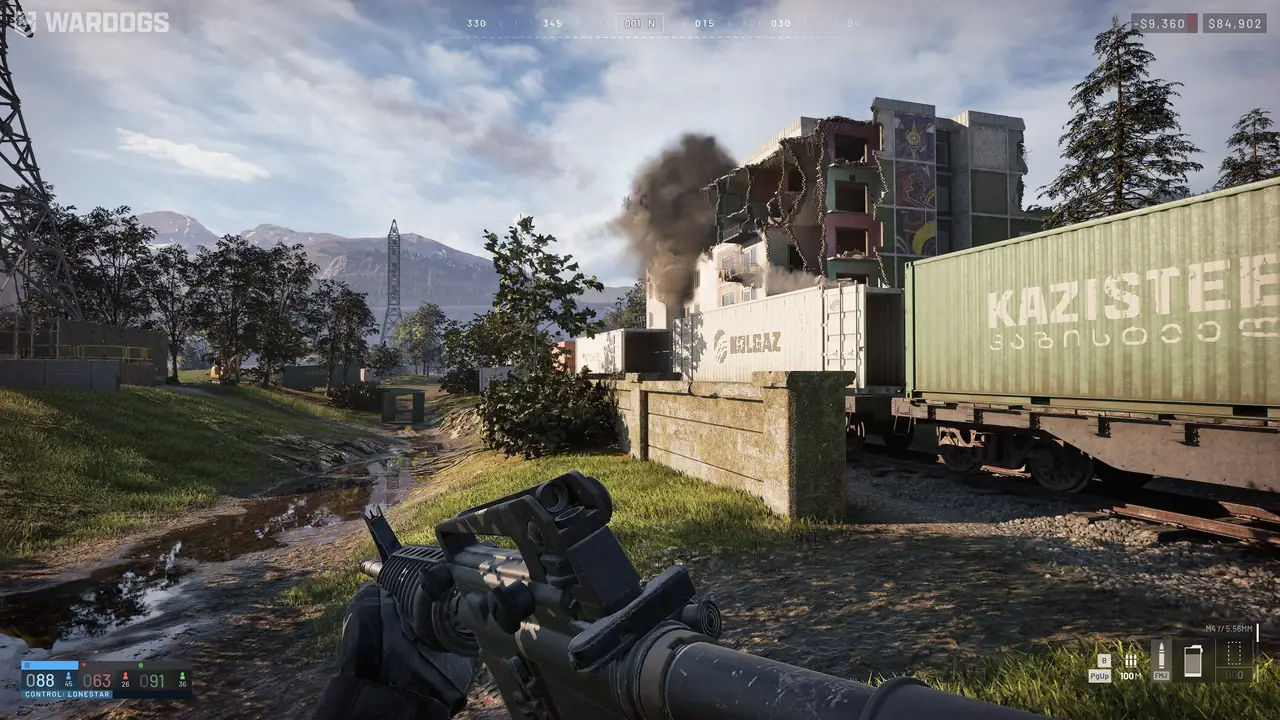
Transport, armor, pilot, and safety
Move teammates with an objective
Keep persistent cash visible
Verify names, costs, seats, and rules
Run the smallest useful test
Name the route problem → assign ownership → move once → dismount safely → re-read the zone
A vehicle test succeeds when the squad arrives with a next action, not merely when it travels farther.
- 1Name the problem
Choose access, regroup, pressure, revive support, or objective presence as the reason to use a vehicle.
- 2Assign the handoff
Name the pilot, passengers, destination, dismount call, and return landmark before moving.
- 3Run a short route
Test the shortest path that can change the current zone or squad gap.
- 4Dismount into a job
Leave the vehicle where the squad can contest, support, build, or retreat with a readable route.
- 5Compare the result
Record presence, access, survival, score, cash, and the first handoff that failed.
Vehicle decision board
WARDOGS vehicle decision board
Treat a WARDOGS vehicle as a route decision: name the access problem, carry the squad to a useful handoff, keep a dismount and return point, then compare the result with the zone still visible.
6 matches WARDOGS vehicle decision board
Purchase rule · Transport
Vehicles sit inside the per-life purchase layer
The official feature description names vehicles alongside loadout and gear as per-life purchases.
- Purchase layer
- Per life
- Named use
- Transport and combined arms
- Unknown
- Roster · cost · seats · durability
Player job
Separate vehicle access from the persistent cash that remains between matches.
Use now
Record the vehicle name and visible cost before the life, then note the job it is meant to solve.
Safe next action
Buy or deploy only when the route or squad problem is named.
Risk
The current public evidence does not publish a complete vehicle roster, cost, seat, or durability table.
Teamplay economy · Transport
Transport is both access and a cash lane
Transporting teammates is named as a way to earn cash while moving the squad through the battlefield.
- Named action
- Transport teammates
- Job
- Access and regroup
- First test
- Short route to a useful handoff
Player job
Turn a vehicle trip into an objective handoff instead of a sightseeing rotation.
Use now
Carry the players who need the route and name the dismount point before leaving.
Safe next action
Run a short transport to a zone edge, revive lane, or regroup landmark first.
Risk
A long exposed drive can create a predictable failure while abandoning the objective.
Combined-arms check · Combined arms
Armor must answer the current approach
Armored vehicles can change pressure and access, but the objective still determines whether the move is useful.
- Potential use
- Pressure · cover · access
- Recheck
- Zone · presence · retreat
- Unknown
- Armor values and damage model
Player job
Decide whether pressure or protection is worth the route cost.
Use now
Use armor to alter one approach, then re-read zone presence, fallback, and dismount safety.
Safe next action
Keep a return landmark and a non-vehicle route visible before committing.
Risk
A powerful approach can leave the team too far from the scoring area or without an exit.
Role handoff · Pilot handoff
Pilot ownership is a temporary squad job
Pilot and transport roles are useful only when another player can convert movement into zone presence or recovery.
- Ownership
- Pilot and passengers
- Call
- Destination · dismount · fallback
- Test
- One short handoff
Player job
Assign vehicle ownership without letting the pilot lane become detached from the squad.
Use now
Name the pilot, passenger goal, dismount call, and next objective before moving.
Safe next action
Treat the vehicle as a handoff between two players, not a solo side mission.
Risk
Changing pilot, route, and objective together hides whether the vehicle helped.
Safety check · Vehicle safety
Dismount with the zone and a way back
The useful endpoint of a vehicle route is a playable position, not simply a distant arrival.
- Before stop
- Zone · cover · landmark
- After stop
- Presence · route · regroup
- Avoid
- No-fallback dismount
Player job
Keep the squad alive and connected after leaving the vehicle.
Use now
Choose a landmark, cover, and return lane before the vehicle stops.
Safe next action
Dismount close enough to affect the objective without removing the fallback.
Risk
A vehicle can solve travel while making the next infantry handoff impossible.
Field check · Vehicle safety
Verify vehicle fields in the current client
A complete vehicle reference needs stable names, costs, seats, roles, durability, and patch history that are not in the current public source set.
- Capture
- Name · role · cost · seats · build
- Retest
- Speed · armor · damage · repair
- Source
- Current client screen
Player job
Know what to capture before treating a vehicle list as a database.
Use now
Record the visible vehicle name, role, cost, seats, and build when the client exposes them.
Safe next action
Leave unshown speed, armor, damage, repair, and spawn rules as unknown.
Risk
A trailer scene is not a specification sheet.
No matching WARDOGS Vehicles & Combined Arms check
Clear the search or player-job filter to return to the bounded Transport, Combined arms, Pilot handoff, Vehicle safety records.
When the answer does not fit
When the vehicle move fails
Keep the route and objective visible, then repair the first broken handoff.
- 1Classify the break
Separate purchase, pilot ownership, route, dismount, enemy pressure, and server symptoms.
- 2Keep the same job
Repeat the same access, revive, regroup, or objective goal with a shorter route.
- 3Change one handoff
Alter the destination, pilot call, dismount landmark, or fallback—not all of them.
- 4Record live fields
If the vehicle behaves differently after a patch, capture the build and visible client state.
Decision table
Choose the next vehicle move
Choose the row that matches the failure in front of you; the action is a bounded next experiment, not a hidden-stat guarantee.
| Situation | Action | Why |
|---|---|---|
| The squad cannot cross an exposed approach | Test transport or armor to the nearest safe zone edge. | The vehicle should improve access without abandoning the objective. |
| Passengers arrive with no next call | Set the dismount landmark and owner before moving again. | Movement only matters when it becomes presence, support, or pressure. |
| The pilot wants a long rotation | Run a short handoff first. | A short route isolates communication and route failures. |
| A trailer makes a vehicle look dominant | Verify the live name, cost, seats, and role before comparing it. | Scene evidence is not a specification. |
| The vehicle move loses the zone | Keep the same job and change only the dismount or return lane. | The problem may be handoff rather than vehicle strength. |
Share this guide
Send the answer when another player hits the same blocker.
Share the current WARDOGS route, or copy the link for Discord and group chat.
Player questions
Vehicles & Combined Arms FAQ
Use the current game panel before spending rare resources on a value that can change.
Can vehicles earn cash?
Transporting teammates is named as a cash-earning teamplay action. Exact payouts, costs, seats, and vehicle rules require the current client.
How should I use a vehicle in the first match?
Run a short route to a useful zone edge, revive lane, or regroup landmark with a named dismount and fallback.
Are WARDOGS vehicle stats available?
The current public source set confirms combined-arms intent but not a complete roster or stat table.
Should the pilot stay with the vehicle?
Assign ownership before moving. The pilot and passengers should know who owns the objective after the dismount.