

The Mound Threats & Responses
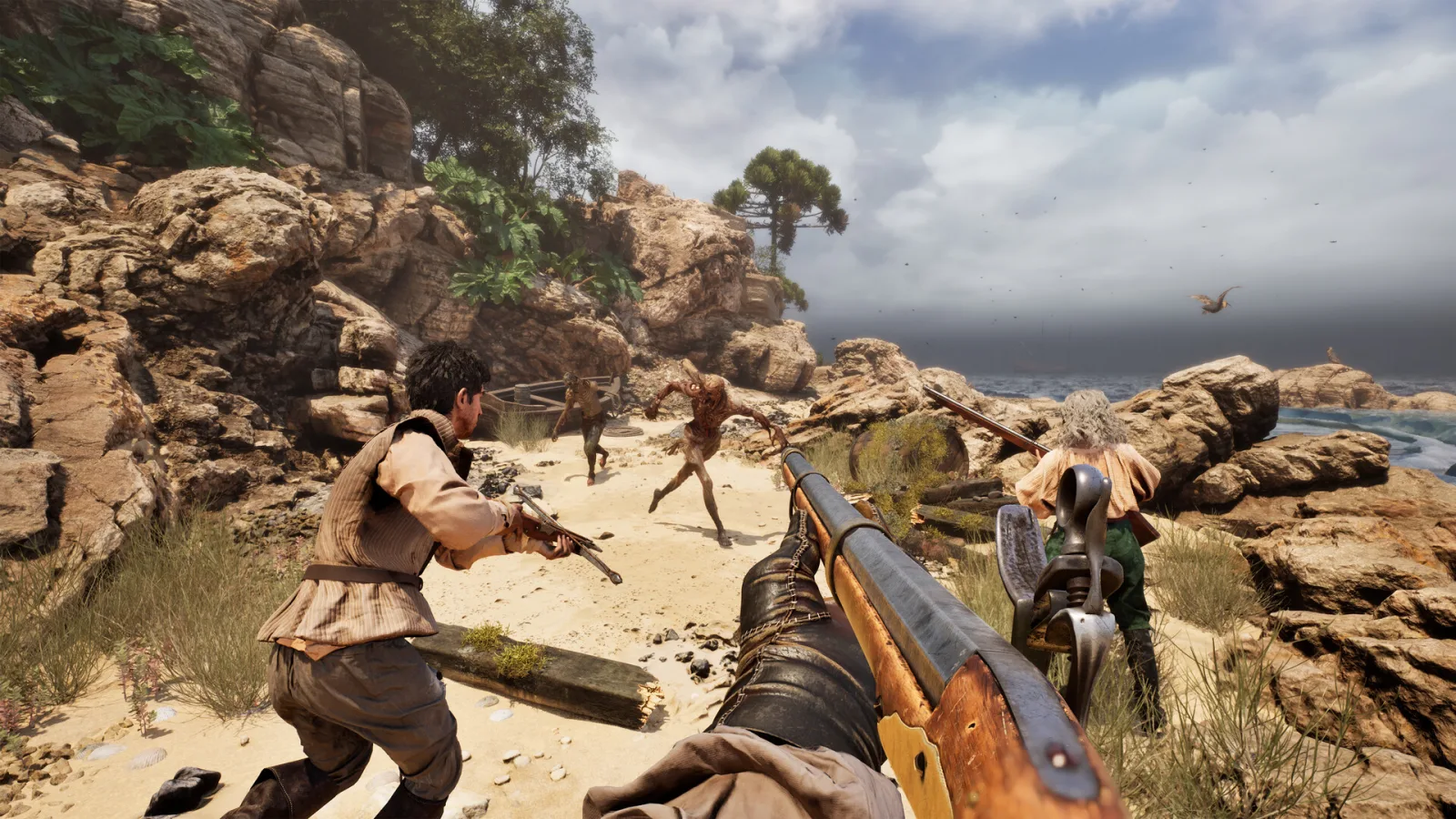
26 threats with icons, HP references, behavior cues, and safe responses
The Mound Threats & Field Responses
Read the behavior before spending damage. The Prowler is an isolation response, the Tue Tue Undead is a noise problem, the Hound follows moved treasure, and hallucinations require verification rather than a blind push.
What this page is for
A visual threat reference that makes the first safe response visible before combat takes over.
Use the page in three moves
Query first, test second, recover cleanly
Threats and field response database is a server-rendered reference with a light selector layered on top. Start from the named blocker, narrow once, and leave the full answer visible when a filter would hide useful context.
- 01Name the job
Start with the player problem, then use the search a threat, behavior, hp, or response control instead of scanning every row.
- 02Read one matching record
Use the threats and field response database result to compare the job, fields, confidence, and safe next action before changing another variable.
- 03Verify the live result
Run the smallest test that can disprove the current plan, keep the baseline you can reproduce, and record the exact condition that changes your next move.
Covered on this pageField response
Best first queryUndead
If nothing matchesNo matching threat
Read the cue before the damage
A threat record is useful when it tells the crew what not to repeat
The field response can be fight, avoid, regroup, recover, or verify. Start with the behavior that is breaking the expedition, not with the largest available weapon.
Use the threat name and behavior together. A Prowler entry is primarily an isolation problem, while a Tue Tue Undead encounter can turn noise into wider pressure. The Hound of Tindalos connects danger to moved treasure, and a hallucination can poison the information the crew is using to choose a route. These are different blockers even when the screen makes each one feel like a combat encounter.
Before committing, ask whether every player can still describe the same landmark and buddy pair. If the answer is no, restore shared information first. A damage race started while the crew is split can hide the real cause of the loss and leave the return route unusable even after the target disappears.
Measured HP or damage fields are supporting context, not a command to spend the whole reserve. Keep the contract objective, ammunition, recovery, and extraction margin visible. If the threat is optional, the safe response may be to pass quietly or re-anchor rather than prove that the crew can win one more fight.
- Cue firstRead isolation, noise, treasure movement, darkness, or hallucination before choosing damage.
- Shared viewRestore the buddy pair and landmark when players no longer agree on the route.
- ReserveDo not spend the final recovery or ammunition on an optional encounter.
Choose the team response
Threat handling is a communication route with a combat branch
A short call makes the correct row actionable when the crew is already under pressure.
Use a three-part call: landmark, cue, action. “Last light, isolation, regroup” is more useful than a name shouted without a route. The call tells the nearest player where to return, what behavior is visible, and whether the crew should fight, avoid, or verify before moving again.
Keep one player responsible for the objective while the others restore the route. A carrier, survivor, or contract item can turn a threat into an extraction problem if everyone abandons the handoff to chase. The response row should preserve the job that makes the expedition worth continuing.
When the threat does require combat, commit from a position the group can recover from. Leave an exit and a second view of the cue, then stop after the first safe result. A clean response is one the team can repeat on the next contract, not a heroic clear that depends on everyone improvising at once.
- Call in three partsLandmark → cue → action keeps the response short enough to repeat.
- Protect the jobKeep the carrier, survivor, or contract objective assigned while the threat is handled.
- Leave an exitStart a fight only from a position the crew can retreat from together.
Recover after the wrong response
A failed encounter should change one field decision, not the whole expedition
Use the first broken resource to choose the next retest and keep the rest of the route recognizable.
After a wipe or forced retreat, write the first visible break: the group split, the scream created extra pressure, the carrier was left alone, a hallucination was trusted, or recovery was spent too early. The final downed player is often only the last symptom. Naming the earliest break tells the crew which response row to use next.
Keep the contract, one known item, and the retreat trigger stable while testing the change. If the problem was isolation, repeat with a tighter buddy route; if it was noise, pass the optional encounter; if it was uncertain information, require a second view before firing. A different map or objective cannot confirm that the response itself improved.
If the same cue remains unresolved, downgrade the promise. Keep the threat as a bounded field note and send the player back to the live contract rather than inventing a universal counter. The database earns trust by making uncertainty actionable: stop, regroup, verify, or leave with a known margin.
- Earliest breakRecord the first lost resource, not only the final down.
- One retestHold the contract and known baseline while changing one response layer.
- Bounded answerWhen the cue is unresolved, preserve the stop/regroup/verify fallback.
Current bestiary table with icons
Fight is not always the answer
Protect information first
Threat response route
Recognize the cue before choosing damage
The database separates measurable HP references from threats whose main danger is isolation, noise, hallucination, or a broken return route.
- 1Read the behavior
Check whether the threat punishes isolation, noise, treasure movement, darkness, or delayed recovery.
- 2Protect the shared landmark
The route is safer when every player can describe the last agreed position.
- 3Choose fight, avoid, regroup, or verify
A damage race is only one of four valid responses.
- 4Leave a return margin
Do not spend the final recovery or ammunition reserve to win an optional encounter.
Threat Finder
Threats and field response database
Read the behavior before spending damage. The Prowler is an isolation response, the Tue Tue Undead is a noise problem, the Hound follows moved treasure, and hallucinations require verification rather than a blind push.
26 matches Threats and field response database

Threat · Field response
Undead
Reanimated conquistadors, common near the beaches. One musket round drops them.
- HP reference
- 60
- Damage taken
- 1×
- Behavior
- Reanimated conquistadors, common near the beaches. One musket round drops them.
- Response class
- Fight from a recoverable lane
- First live check
- Behavior cue, firing lane, and retreat landmark
Player job
Choose a controlled combat response to Undead without spending the expedition's return margin.
Use now
Read the behavior first, then choose fight, avoid, regroup, or verify without spending the return margin blindly.
Safe next action
Separate the threat from the carrier and exit, use the readable firing lane, and stop after the first safe result.
Risk
HP and damage response are a current version reference, not a universal contract route; keep an exit and recovery option.
Threat · Field response
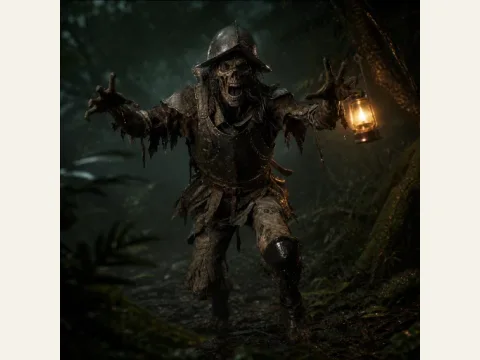
Berserk Undead
Fast and fragile — swings wildly, dies to anything.
- HP reference
- 20
- Damage taken
- 1×
- Behavior
- Fast and fragile — swings wildly, dies to anything.
- Response class
- Fight from a recoverable lane
- First live check
- Behavior cue, firing lane, and retreat landmark
Player job
Choose a controlled combat response to Berserk Undead without spending the expedition's return margin.
Use now
Read the behavior first, then choose fight, avoid, regroup, or verify without spending the return margin blindly.
Safe next action
Separate the threat from the carrier and exit, use the readable firing lane, and stop after the first safe result.
Risk
HP and damage response are a current version reference, not a universal contract route; keep an exit and recovery option.
Threat · Field response
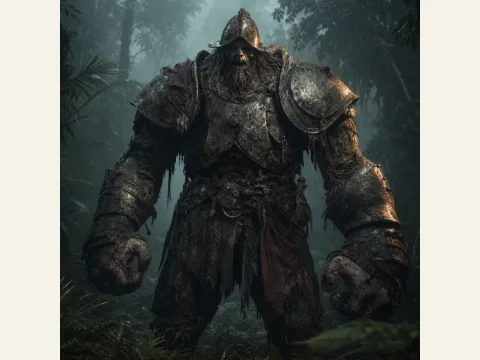
Brute Undead
The tanky one. Takes extra damage, has the health to spare.
- HP reference
- 170
- Damage taken
- 1.5×
- Behavior
- The tanky one. Takes extra damage, has the health to spare.
- Response class
- Verify and regroup
- First live check
- Second view, landmark, and buddy pair
Player job
Preserve shared information before the crew commits to movement or fire.
Use now
Use a readable firing lane and spend damage only after the threat is separated from the return path.
Safe next action
Stop, name the last shared cue, and require a second player or stable landmark before changing formation.
Risk
A false cue or separated player can make the crew attack its own route and lose the contract without a normal combat failure.
Threat · Field response
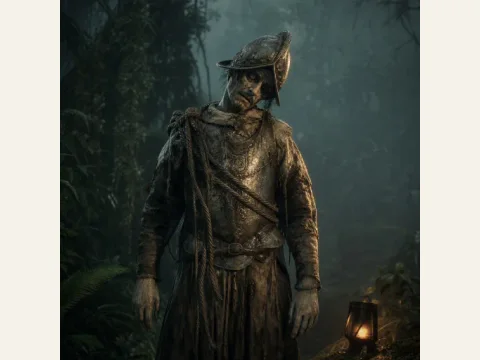
Hanged Undead
High HP but takes triple damage — aim carefully and it folds fast.
- HP reference
- 180
- Damage taken
- 3×
- Behavior
- High HP but takes triple damage — aim carefully and it folds fast.
- Response class
- Verify and regroup
- First live check
- Second view, landmark, and buddy pair
Player job
Preserve shared information before the crew commits to movement or fire.
Use now
Use a readable firing lane and spend damage only after the threat is separated from the return path.
Safe next action
Stop, name the last shared cue, and require a second player or stable landmark before changing formation.
Risk
A false cue or separated player can make the crew attack its own route and lose the contract without a normal combat failure.

Threat · Field response
Lamp Undead
Carries its own light. You'll see it coming; it also sees you.
- HP reference
- 60
- Damage taken
- 1×
- Behavior
- Carries its own light. You'll see it coming; it also sees you.
- Response class
- Control the environment
- First live check
- Visibility, weapon lane, and exit marker
Player job
Keep the current visibility or environmental lane usable before spending damage.
Use now
Read the behavior first, then choose fight, avoid, regroup, or verify without spending the return margin blindly.
Safe next action
Keep the light or weather-safe lane available, then move the crew through a marked exit instead of holding an exposed angle.
Risk
Ignoring the environmental cue can disable the planned attack or make the return path unreadable at the same time.

Threat · Field response
Lightning Undead
Electrical attacks.
- HP reference
- 60
- Damage taken
- 1×
- Behavior
- Electrical attacks.
- Response class
- Control the environment
- First live check
- Visibility, weapon lane, and exit marker
Player job
Keep the current visibility or environmental lane usable before spending damage.
Use now
Read the behavior first, then choose fight, avoid, regroup, or verify without spending the return margin blindly.
Safe next action
Keep the light or weather-safe lane available, then move the crew through a marked exit instead of holding an exposed angle.
Risk
Ignoring the environmental cue can disable the planned attack or make the return path unreadable at the same time.

Threat · Field response
Tue Tue Undead
Its shriek echoes across the whole forest and wakes everything. Avoid rather than fight.
- HP reference
- 40
- Damage taken
- 1×
- Behavior
- Its shriek echoes across the whole forest and wakes everything. Avoid rather than fight.
- Response class
- Avoid or regroup
- First live check
- Exit lane, buddy contact, and contract margin
Player job
Protect the route by refusing an encounter that does not have a normal kill payoff.
Use now
Avoid or pass quietly when the contract does not require the fight; its scream can wake the forest.
Safe next action
Turn the crew toward the last shared landmark or clear exit before the threat closes the route.
Risk
Treating a route hazard as a damage race spends time, ammunition, and recovery while the contract still needs a return.

Threat · Field response
Y'm-bhi
Fallen explorers reassembled as shambling dead — your own dead teammates can come back as these. Grabs crew members; a well-timed hit breaks the grab.
- HP reference
- —
- Damage taken
- —
- Behavior
- Fallen explorers reassembled as shambling dead — your own dead teammates can come back as these. Grabs crew members; a well-timed hit breaks the grab.
- Response class
- Recover first
- First live check
- Downed player, recovery item, and retreat angle
Player job
Recover the downed crewmate before the body becomes a second field threat.
Use now
Revive or move the downed crewmate quickly so the fallen explorer does not become the next threat.
Safe next action
Move or revive from the closest defensible position and keep one player watching the approach.
Risk
Chasing damage before recovery can convert one downed player into a route-wide loss.
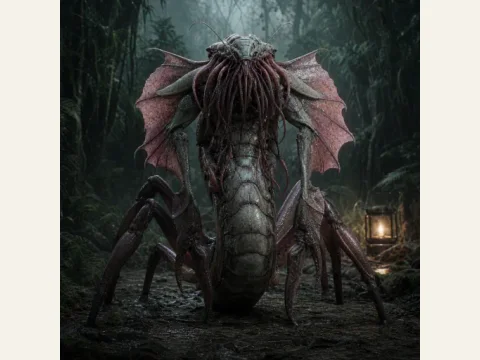
Threat · Field response
Mi-Go
Mind control. Approaches from behind and separates prey from the group before it feeds.
- HP reference
- 60
- Damage taken
- 1×
- Behavior
- Mind control. Approaches from behind and separates prey from the group before it feeds.
- Response class
- Verify and regroup
- First live check
- Second view, landmark, and buddy pair
Player job
Preserve shared information before the crew commits to movement or fire.
Use now
Read the behavior first, then choose fight, avoid, regroup, or verify without spending the return margin blindly.
Safe next action
Stop, name the last shared cue, and require a second player or stable landmark before changing formation.
Risk
A false cue or separated player can make the crew attack its own route and lose the contract without a normal combat failure.

Threat · Field response
Deep One
Amphibious and relentless, with heavy damage resistance — 120 HP that plays like 360.
- HP reference
- 120
- Damage taken
- 0.33×
- Behavior
- Amphibious and relentless, with heavy damage resistance — 120 HP that plays like 360.
- Response class
- Fight from a recoverable lane
- First live check
- Behavior cue, firing lane, and retreat landmark
Player job
Choose a controlled combat response to Deep One without spending the expedition's return margin.
Use now
Read the behavior first, then choose fight, avoid, regroup, or verify without spending the return margin blindly.
Safe next action
Separate the threat from the carrier and exit, use the readable firing lane, and stop after the first safe result.
Risk
HP and damage response are a current version reference, not a universal contract route; keep an exit and recovery option.
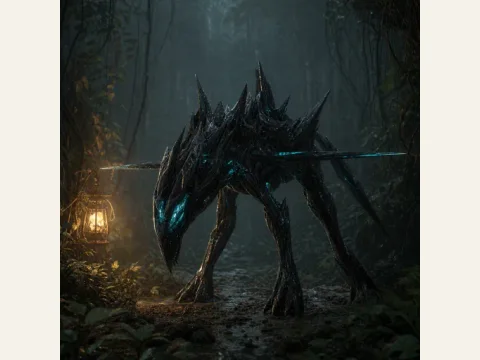
Threat · Field response
Hound of Tindalos
Hunts whoever carries a moved treasure. Takes ten times normal damage — if you can land the shot before it lands on you.
- HP reference
- 120
- Damage taken
- 10×
- Behavior
- Hunts whoever carries a moved treasure. Takes ten times normal damage — if you can land the shot before it lands on you.
- Response class
- Protect the objective
- First live check
- Carrier, firing lane, and storage handoff
Player job
Keep the objective carrier and firing lane connected while the threat follows the moved haul.
Use now
Protect the treasure carrier, choose the firing lane, and finish it before the route fragments.
Safe next action
Assign one player to the carrier, one to the firing lane, and stop moving the treasure until the route is readable.
Risk
Splitting the carrier from the support pair turns an objective threat into an isolation wipe.
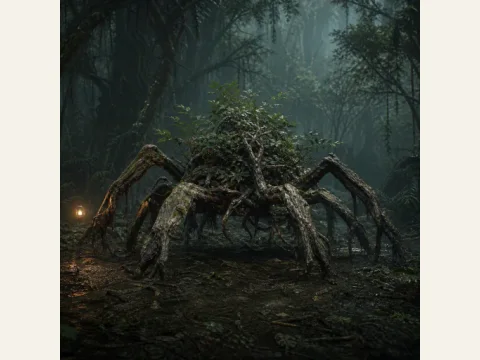
Threat · Field response
Crawling Canopy
The tree-cover horror. Isolates and marks prey; about three musket rounds in the demo.
- HP reference
- 180
- Damage taken
- 1×
- Behavior
- The tree-cover horror. Isolates and marks prey; about three musket rounds in the demo.
- Response class
- Fight from a recoverable lane
- First live check
- Behavior cue, firing lane, and retreat landmark
Player job
Choose a controlled combat response to Crawling Canopy without spending the expedition's return margin.
Use now
Read the behavior first, then choose fight, avoid, regroup, or verify without spending the return margin blindly.
Safe next action
Separate the threat from the carrier and exit, use the readable firing lane, and stop after the first safe result.
Risk
HP and damage response are a current version reference, not a universal contract route; keep an exit and recovery option.

Threat · Field response
Prowler
Carries off lone explorers and cannot be killed — only driven back. Don't wander.
- HP reference
- 150
- Damage taken
- —
- Behavior
- Carries off lone explorers and cannot be killed — only driven back. Don't wander.
- Response class
- Avoid or regroup
- First live check
- Exit lane, buddy contact, and contract margin
Player job
Protect the route by refusing an encounter that does not have a normal kill payoff.
Use now
Stop the push, restore the buddy pair, and leave the isolation lane instead of treating it as a normal kill.
Safe next action
Turn the crew toward the last shared landmark or clear exit before the threat closes the route.
Risk
Treating a route hazard as a damage race spends time, ammunition, and recovery while the contract still needs a return.
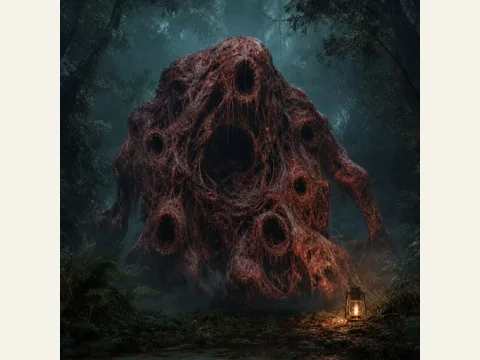
Threat · Field response
Flesh Shambler
A territorial giant that displaces space itself. That HP number is the game telling you to run.
- HP reference
- 10000
- Damage taken
- —
- Behavior
- A territorial giant that displaces space itself. That HP number is the game telling you to run.
- Response class
- Avoid or regroup
- First live check
- Exit lane, buddy contact, and contract margin
Player job
Protect the route by refusing an encounter that does not have a normal kill payoff.
Use now
Read the behavior first, then choose fight, avoid, regroup, or verify without spending the return margin blindly.
Safe next action
Turn the crew toward the last shared landmark or clear exit before the threat closes the route.
Risk
Treating a route hazard as a damage race spends time, ammunition, and recovery while the contract still needs a return.
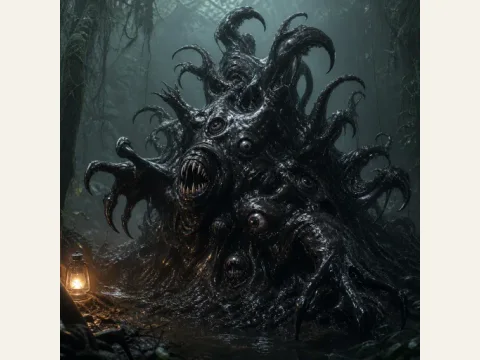
Threat · Field response
Formless Spawn
Shapeless and shapeshifting — spawn of Tsathoggua.
- HP reference
- —
- Damage taken
- —
- Behavior
- Shapeless and shapeshifting — spawn of Tsathoggua.
- Response class
- Fight from a recoverable lane
- First live check
- Behavior cue, firing lane, and retreat landmark
Player job
Choose a controlled combat response to Formless Spawn without spending the expedition's return margin.
Use now
Read the behavior first, then choose fight, avoid, regroup, or verify without spending the return margin blindly.
Safe next action
Separate the threat from the carrier and exit, use the readable firing lane, and stop after the first safe result.
Risk
The current reference does not provide a normal damage answer; use the response rule rather than a damage race.
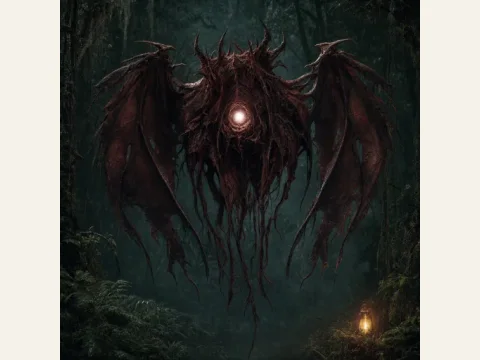
Threat · Field response
Haunter of the Dark
Lives in shadow. Keep your lamp lit.
- HP reference
- —
- Damage taken
- —
- Behavior
- Lives in shadow. Keep your lamp lit.
- Response class
- Control the environment
- First live check
- Visibility, weapon lane, and exit marker
Player job
Keep the current visibility or environmental lane usable before spending damage.
Use now
Read the behavior first, then choose fight, avoid, regroup, or verify without spending the return margin blindly.
Safe next action
Keep the light or weather-safe lane available, then move the crew through a marked exit instead of holding an exposed angle.
Risk
Ignoring the environmental cue can disable the planned attack or make the return path unreadable at the same time.

Threat · Field response
Shoggoth Worm
A vast crawling mass.
- HP reference
- —
- Damage taken
- —
- Behavior
- A vast crawling mass.
- Response class
- Fight from a recoverable lane
- First live check
- Behavior cue, firing lane, and retreat landmark
Player job
Choose a controlled combat response to Shoggoth Worm without spending the expedition's return margin.
Use now
Read the behavior first, then choose fight, avoid, regroup, or verify without spending the return margin blindly.
Safe next action
Separate the threat from the carrier and exit, use the readable firing lane, and stop after the first safe result.
Risk
The current reference does not provide a normal damage answer; use the response rule rather than a damage race.

Threat · Field response
Doppelganger
Infiltrates disguised as a teammate and turns the crew against itself. Takes double damage once unmasked.
- HP reference
- —
- Damage taken
- 2×
- Behavior
- Infiltrates disguised as a teammate and turns the crew against itself. Takes double damage once unmasked.
- Response class
- Verify and regroup
- First live check
- Second view, landmark, and buddy pair
Player job
Preserve shared information before the crew commits to movement or fire.
Use now
Stop and verify the cue with a second player or a stable landmark before moving or firing.
Safe next action
Stop, name the last shared cue, and require a second player or stable landmark before changing formation.
Risk
A false cue or separated player can make the crew attack its own route and lose the contract without a normal combat failure.

Threat · Field response
Transmuter
Bursts out of the ground under your feet.
- HP reference
- 120
- Damage taken
- 2×
- Behavior
- Bursts out of the ground under your feet.
- Response class
- Fight from a recoverable lane
- First live check
- Behavior cue, firing lane, and retreat landmark
Player job
Choose a controlled combat response to Transmuter without spending the expedition's return margin.
Use now
Read the behavior first, then choose fight, avoid, regroup, or verify without spending the return margin blindly.
Safe next action
Separate the threat from the carrier and exit, use the readable firing lane, and stop after the first safe result.
Risk
HP and damage response are a current version reference, not a universal contract route; keep an exit and recovery option.
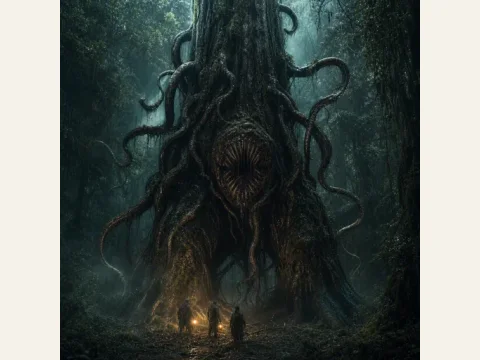
Threat · Field response
Dark Young of Shub-Niggurath
The dark young of the Black Goat. Boss-tier; tactics still unmeasured pre-launch.
- HP reference
- —
- Damage taken
- —
- Behavior
- The dark young of the Black Goat. Boss-tier; tactics still unmeasured pre-launch.
- Response class
- Verify and retreat
- First live check
- Cue, distance, and first safe reset
Player job
Capture a safe observation without turning an unknown encounter into a full combat claim.
Use now
Use Dark Young of Shub-Niggurath as a bounded field note: keep the crew together, record the first cue, and verify the live behavior before publishing a counter-route.
Safe next action
Leave an exit and preserve the contract margin; an undocumented response is not a reason to spend every reserve.
Risk
The current record does not establish a repeatable counter, so a confident damage or avoidance rule would be a guess.
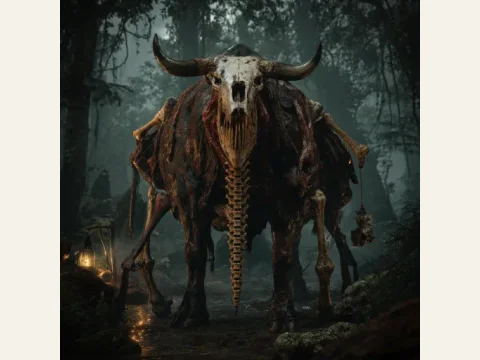
Threat · Field response
El Buey
“The Ox.” Boss-tier.
- HP reference
- —
- Damage taken
- —
- Behavior
- “The Ox.” Boss-tier.
- Response class
- Fight from a recoverable lane
- First live check
- Behavior cue, firing lane, and retreat landmark
Player job
Choose a controlled combat response to El Buey without spending the expedition's return margin.
Use now
Read the behavior first, then choose fight, avoid, regroup, or verify without spending the return margin blindly.
Safe next action
Separate the threat from the carrier and exit, use the readable firing lane, and stop after the first safe result.
Risk
The current reference does not provide a normal damage answer; use the response rule rather than a damage race.
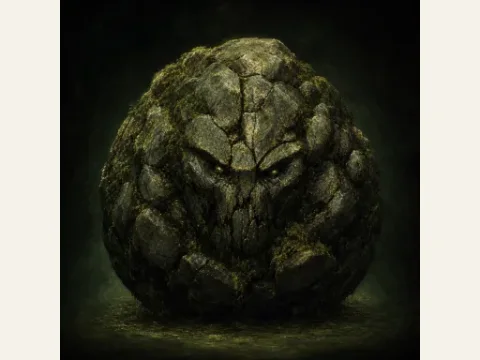
Threat · Field response
The Boulder
A moving hazard more than a fight.
- HP reference
- —
- Damage taken
- —
- Behavior
- A moving hazard more than a fight.
- Response class
- Avoid or regroup
- First live check
- Exit lane, buddy contact, and contract margin
Player job
Protect the route by refusing an encounter that does not have a normal kill payoff.
Use now
Read the behavior first, then choose fight, avoid, regroup, or verify without spending the return margin blindly.
Safe next action
Turn the crew toward the last shared landmark or clear exit before the threat closes the route.
Risk
Treating a route hazard as a damage race spends time, ammunition, and recovery while the contract still needs a return.

Threat · Field response
Huemul
A Chilean deer, and walking income: the meat sells for 80–120c and the hide for 60–90c.
- HP reference
- —
- Damage taken
- —
- Behavior
- A Chilean deer, and walking income: the meat sells for 80–120c and the hide for 60–90c.
- Response class
- Fight from a recoverable lane
- First live check
- Behavior cue, firing lane, and retreat landmark
Player job
Choose a controlled combat response to Huemul without spending the expedition's return margin.
Use now
Read the behavior first, then choose fight, avoid, regroup, or verify without spending the return margin blindly.
Safe next action
Separate the threat from the carrier and exit, use the readable firing lane, and stop after the first safe result.
Risk
The current reference does not provide a normal damage answer; use the response rule rather than a damage race.

Threat · Field response
Bandurria
A daemon bird whose mere presence drains sanity. Shoot it from far away — 50 meters out is achievement range.
- HP reference
- —
- Damage taken
- —
- Behavior
- A daemon bird whose mere presence drains sanity. Shoot it from far away — 50 meters out is achievement range.
- Response class
- Verify and regroup
- First live check
- Second view, landmark, and buddy pair
Player job
Preserve shared information before the crew commits to movement or fire.
Use now
Read the behavior first, then choose fight, avoid, regroup, or verify without spending the return margin blindly.
Safe next action
Stop, name the last shared cue, and require a second player or stable landmark before changing formation.
Risk
A false cue or separated player can make the crew attack its own route and lose the contract without a normal combat failure.

Threat · Field response
Tyrano Horse
Spotted in the community codex; behavior undocumented.
- HP reference
- —
- Damage taken
- —
- Behavior
- Spotted in the community codex; behavior undocumented.
- Response class
- Verify and retreat
- First live check
- Cue, distance, and first safe reset
Player job
Capture a safe observation without turning an unknown encounter into a full combat claim.
Use now
Use Tyrano Horse as a bounded field note: keep the crew together, record the first cue, and verify the live behavior before publishing a counter-route.
Safe next action
Leave an exit and preserve the contract margin; an undocumented response is not a reason to spend every reserve.
Risk
The current record does not establish a repeatable counter, so a confident damage or avoidance rule would be a guess.

Threat · Field response
Wormy
Spotted in the community codex; behavior undocumented.
- HP reference
- —
- Damage taken
- —
- Behavior
- Spotted in the community codex; behavior undocumented.
- Response class
- Verify and retreat
- First live check
- Cue, distance, and first safe reset
Player job
Capture a safe observation without turning an unknown encounter into a full combat claim.
Use now
Use Wormy as a bounded field note: keep the crew together, record the first cue, and verify the live behavior before publishing a counter-route.
Safe next action
Leave an exit and preserve the contract margin; an undocumented response is not a reason to spend every reserve.
Risk
The current record does not establish a repeatable counter, so a confident damage or avoidance rule would be a guess.
No matching threat
Try a threat name, behavior, HP, or remove the filter.
When the answer does not fit
Recover after the wrong threat response
Stop repeating the fight until the crew knows whether the loss came from combat or route information.
- 1Stop the push
Return to the last shared landmark when the route or buddy pair breaks.
- 2Name the cue
Isolation, scream, treasure movement, darkness, hallucination, or delayed revival.
- 3Use the response row
Follow the direct action before changing every weapon and Saint.
- 4Retest one variable
Keep the contract and one known route stable while testing the response.
Decision table
Choose the response by the threat behavior
Choose the row that matches the failure in front of you; the action is a bounded next experiment, not a hidden-stat guarantee.
| Situation | Action | Why |
|---|---|---|
| A player is isolated and the Prowler appears | Regroup at the last landmark | The Prowler punishes isolation rather than offering a normal boss fight. |
| The Tue Tue scream wakes the forest | Avoid the fight when optional | Noise can create more pressure than the target is worth. |
| The Hound follows moved treasure | Protect the carrier and fire together | The route is safer when the carrier is not left alone. |
| A hallucination changes the scene | Verify before moving or firing | A second view prevents poisoned information from becoming a route loss. |
Share this guide
Send the answer when another player hits the same blocker.
Share the current The Mound route, or copy the link for Discord and group chat.
Player questions
Threats & Responses FAQ
Use the current game panel before spending rare resources on a value that can change.
How many threats are listed?
The current bounded table contains 26 named threat records with local icons and current HP or damage-response references where available.
Can you kill the Prowler?
The current reference does not give it a normal kill route; regroup and leave the isolation lane instead of treating it as a damage race.
What should I do when the forest screams?
Avoid or pass quietly when the contract does not require the Tue Tue Undead fight, because the noise can wake more pressure.
What if the scene may be a hallucination?
Stop, verify with a second player or stable landmark, and only then move or fire.