

Palworld Version 1.0 Changes
Official 1.0 and v1.0.4 old-save decision finder
Palworld 1.0 Changes for Old Saves
Back up the old world, then filter the 1.0 or v1.0.4 change that matches your symptom: mission reset, new sub-mission, Pal skill, base staffing, combat, travel, or settings. Keep systems that still work; retest or rebuild only the changed dependency before entering new progression.
What this page is for
A practical Palworld old-save checklist that connects the 1.0 migration audit to the current v1.0.4 mission board.
Use the page in three moves
Query first, test second, recover cleanly
Version 1.0 change finder is a server-rendered reference with a light selector layered on top. Start from the named blocker, narrow once, and leave the full answer visible when a filter would hide useful context.
- 01Name the job
Start with the player problem, then use the search a system, old rule, new rule, or return action control instead of scanning every row.
- 02Read one matching record
Use the version 1.0 change finder result to compare the job, fields, confidence, and safe next action before changing another variable.
- 03Verify the live result
Run the smallest test that can disprove the current plan, keep the baseline you can reproduce, and record the exact condition that changes your next move.
Covered on this pageWorld · Save · Progression · Pals · Base · Combat
Best first querySunreach, World Tree, and expanded map
If nothing matchesNo matching 1.0 change
Return-session method
Use the change finder as triage, not a patch-note dump
The useful answer is the first safe test that separates a migrated-save problem from a normal 1.0 change.
Start with the symptom you can see: a missing mission marker, a familiar Pal losing its job, a base line slowing down, or a tower run missing the shorter clock. Filter to that system and read the Before 1.0, In 1.0, Return action, and Risk fields together. The four fields are deliberately paired because a changed rule without a next test is only trivia.
Keep the first test narrow. A mission mismatch belongs in the mission log and map; a staffing mismatch belongs in one complete input-to-output cycle; a combat mismatch belongs in one familiar encounter. If the test reproduces the symptom, move to the listed retest or rebuild action. If it does not, keep the known-good baseline and investigate the next connected dependency instead of resetting the whole world.
This order also protects searchers who are deciding between an old save and a new world. A reset mission, rebalanced habitat, or changed Partner Skill does not by itself prove that the world is unusable. The decision becomes defensible only after the backup exists and one controlled comparison tells you what actually failed.
- Filter by symptomChoose the system that visibly failed before browsing every 1.0 row.
- Run one testChange one dependency and preserve the result you can reproduce.
- Choose the smallest actionKeep, retest, rebuild, or back up only after the comparison.
New-world handoff
A clean 1.0 route still needs a baseline
New content is easier to evaluate when the old loop is stable enough to tell you what the new investment changed.
Before spending toward level 80, Awakening, Mutation, new weapons, or the World Tree, write down one working party job and one working base lane. The point is not to freeze a build; it is to keep a comparison point while the roster, Work Suitability ceiling, and combat movement all change around it.
Use the five-capture bonus and lower condensation target as progression shortcuts, not as reasons to farm every duplicate immediately. Pick the Pal or job that solves the next blocker, confirm its current record in the connected database, and test that choice in the live world before committing rare materials.
When the new route survives one normal cycle and one familiar fight, expand the map route into Sunreach, the islands, and the World Tree. If it fails, return to the recorded baseline and reopen only the related system. This keeps the 1.0 progression route readable for both returning saves and fresh starts.
- BaselineKeep one party job and one base cycle that you can repeat.
- TargetSpend toward the Pal, system, or route that solves a named blocker.
- VerifyExpand only after the choice survives a normal cycle and a known fight.
Decision boundary
Use the live world to confirm the expensive part of a change
The change finder narrows the next test; the active world still owns exact values, settings, and whether the route is currently available.
A release note can confirm that a cap, skill family, weapon group, or world route changed without proving how your server, mod set, or migrated save behaves today. Treat the record as a reason to open one current panel and run one short comparison. Keep the old value as context, not as a promise of the next result.
This matters most for death settings, mission state, Partner Skills, and base work. Read the current world setting before carrying rare items, inspect the mission log before following an old checklist, and watch one Work Suitability cycle before changing a whole base. Each check protects a different kind of irreversible effort.
When the live result disagrees with the reference, keep the stable identity of the change and narrow the conclusion to the current world. A useful page can say “retest this dependency” without inventing the missing threshold or recommending a restart that the evidence does not require.
- PanelRead the current setting, mission, skill, or work screen.
- TestRepeat one familiar route with one changed dependency.
- BoundaryLeave unsupported values as a live-world check.
Visual reference
See the game context before making the lookup
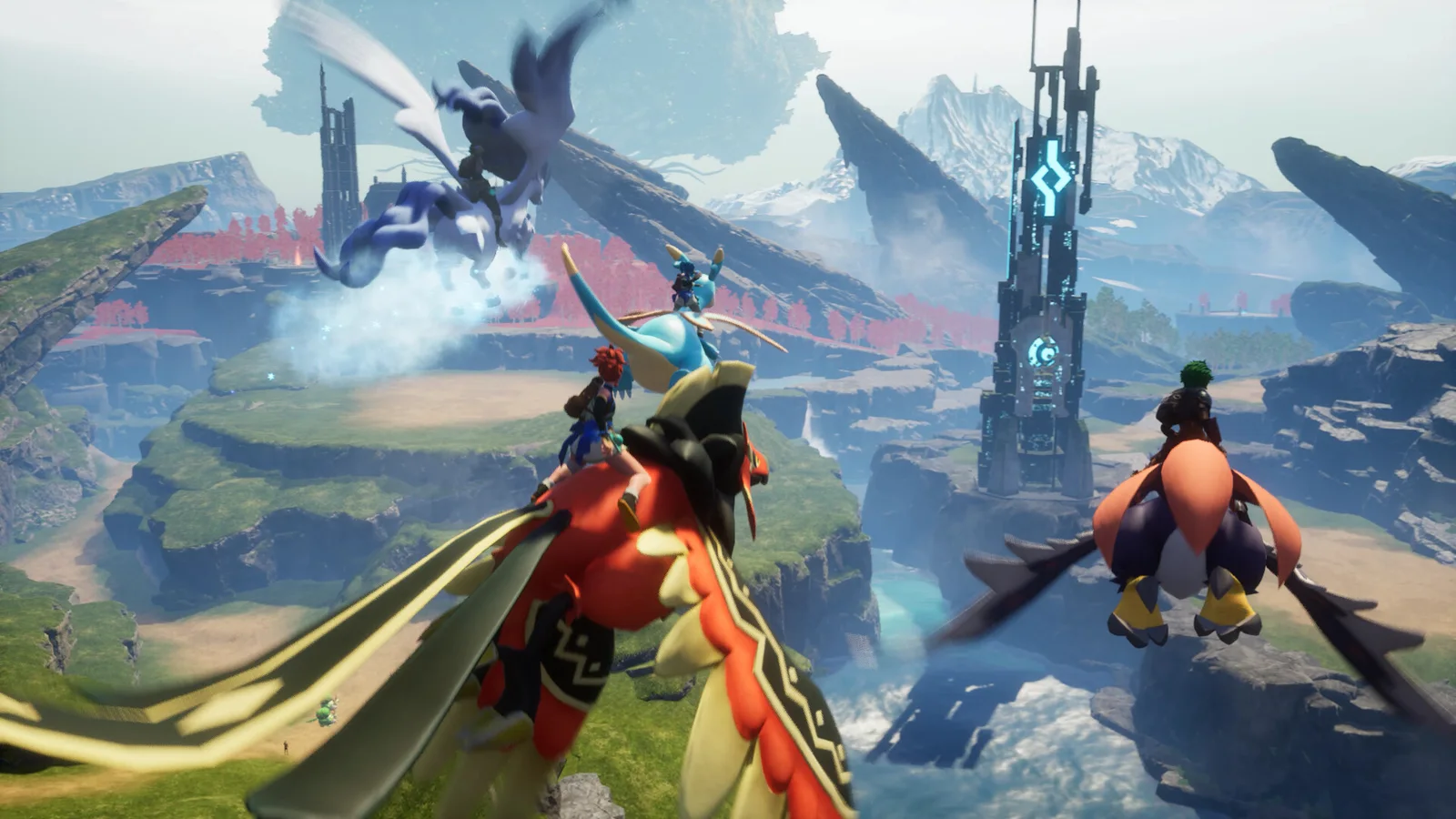
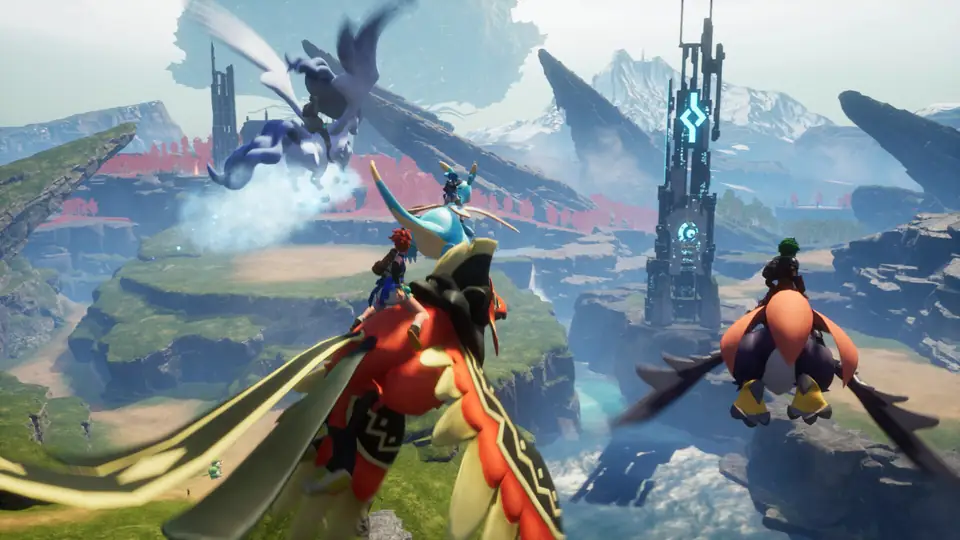
These local game scenes establish the situation this page addresses. They support orientation only; the actionable answer remains in the text, fields, and recovery route below.


287 total in version 1.0
Up from 65
Audit missions, skills, base, and settings
Progression order
Use the change → test → decision loop
Filter the visible symptom, preserve one baseline, and restore new content only after the affected dependency has a current-world proof.
- 1Name the changed system
Choose mission, map, Pal, combat, base, equipment, or save before reading every change row.
- 2Protect the baseline
Back up the world and keep one working party, route, or production cycle unchanged.
- 3Run the smallest retest
Use one familiar mission, fight, or base handoff so the difference can be attributed.
- 4Keep, retest, or rebuild
Choose the smallest action supported by the observed result, then record the new baseline.
Change Finder
Version 1.0 change finder
Back up the old world, then filter the 1.0 or v1.0.4 change that matches your symptom: mission reset, new sub-mission, Pal skill, base staffing, combat, travel, or settings. Keep systems that still work; retest or rebuild only the changed dependency before entering new progression.
15 matches Version 1.0 change finder
Version 1.0 change · World
Sunreach, World Tree, and expanded map
The return route begins with orientation, not a blind sprint to the old endgame.
- Before 1.0
- The old map ended before Sunreach and the World Tree route.
- In 1.0
- Sunreach, the World Tree, seven small islands, Watchtowers, settlements, ruins, and renewed sanctuaries expand exploration.
- Return action
- Re-open the map and activate nearby Watchtowers before a long expedition.
- Risk
- Old route memory no longer describes every fast-travel or progression path.
Player job
Decide whether to keep, retest, or rebuild the affected world route.
Use now
Re-open the map and activate nearby Watchtowers before a long expedition.
Safe next action
Re-open the map and activate nearby Watchtowers before a long expedition.
Risk
Old route memory no longer describes every fast-travel or progression path.
Version 1.0 change · Save
v1.0.4 sub-missions
The latest mission layer gives old saves a fresh story check after the main 1.0 audit.
- Before 1.0
- The 1.0 mission board was the current story handoff.
- In 1.0
- v1.0.4 adds Beyond Dimensions and From the Far Side of the Moon; Beyond Dimensions starts from an NPC at Fisherman’s Point in Mount Obsidian.
- Return action
- Update the client, open the current mission panel, and record the new marker before following an older progression checklist.
- Risk
- A returning player can mistake a new sub-mission for a missing or reset objective.
Player job
Decide whether to keep, retest, or rebuild the affected save route.
Use now
Update the client, open the current mission panel, and record the new marker before following an older progression checklist.
Safe next action
Update the client, open the current mission panel, and record the new marker before following an older progression checklist.
Risk
A returning player can mistake a new sub-mission for a missing or reset objective.
Version 1.0 change · Progression
Player level cap 65 → 80
Returning characters have a new progression runway.
- Before 1.0
- The player cap stopped at level 65.
- In 1.0
- The cap is now 80 with new ancient-civilization technologies.
- Return action
- Stabilize the old party and base before spending toward the new cap.
- Risk
- Rushing new technology can hide a broken old production loop.
Player job
Decide whether to keep, retest, or rebuild the affected progression route.
Use now
Stabilize the old party and base before spending toward the new cap.
Safe next action
Stabilize the old party and base before spending toward the new cap.
Risk
Rushing new technology can hide a broken old production loop.
Version 1.0 change · Save
Main and sub-mission progress reset
The story flow was reorganized around towers and the World Tree.
- Before 1.0
- Mission state followed the Early Access progression path.
- In 1.0
- Main and sub-mission progress was reset; some tutorial and Tower Boss missions auto-complete from defeat progress.
- Return action
- Back up the save, open the mission log, and rebuild the active route from the current markers.
- Risk
- Assuming the old checklist is intact can send the player to the wrong next objective.
Player job
Decide whether to keep, retest, or rebuild the affected save route.
Use now
Back up the save, open the mission log, and rebuild the active route from the current markers.
Safe next action
Back up the save, open the mission log, and rebuild the active route from the current markers.
Risk
Assuming the old checklist is intact can send the player to the wrong next objective.
Version 1.0 change · Save
Random Pal spawn placement data
Habitat rebalancing changes where a returning player searches.
- Before 1.0
- Random spawn worlds carried older placement data.
- In 1.0
- Placement data from v0.7.3 and earlier is not carried over to reflect rebalanced habitats.
- Return action
- Back up and re-scout the habitats used by the old capture route.
- Risk
- Old spawn notes can be wrong even when the world itself loads normally.
Player job
Decide whether to keep, retest, or rebuild the affected save route.
Use now
Back up and re-scout the habitats used by the old capture route.
Safe next action
Back up and re-scout the habitats used by the old capture route.
Risk
Old spawn notes can be wrong even when the world itself loads normally.
Version 1.0 change · Pals
72 new Pals
The roster expands without making every old Pal obsolete.
- Before 1.0
- The Early Access roster was smaller.
- In 1.0
- 47 new Pals and 25 variants bring the total roster to 287.
- Return action
- Keep the old team until a new Pal proves a specific exploration, combat, or base job.
- Risk
- Collecting by novelty can consume training resources without improving the route.
Player job
Decide whether to keep, retest, or rebuild the affected pals route.
Use now
Keep the old team until a new Pal proves a specific exploration, combat, or base job.
Safe next action
Keep the old team until a new Pal proves a specific exploration, combat, or base job.
Risk
Collecting by novelty can consume training resources without improving the route.
Version 1.0 change · Pals
Partner Skills reworked for 200+ Pals
Party composition requires a full audit.
- Before 1.0
- Old Partner Skill effects and same-Pal stacking shaped many teams.
- In 1.0
- More than 200 Partner Skills changed, and most same-Pal effects no longer stack.
- Return action
- Re-read every party skill and rebuild around distinct jobs and confirmed synergies.
- Risk
- An old stacked team can lose its core multiplier without looking obviously broken.
Player job
Decide whether to keep, retest, or rebuild the affected pals route.
Use now
Re-read every party skill and rebuild around distinct jobs and confirmed synergies.
Safe next action
Re-read every party skill and rebuild around distinct jobs and confirmed synergies.
Risk
An old stacked team can lose its core multiplier without looking obviously broken.
Version 1.0 change · Pals
Awakening and Mutation
1.0 adds new long-term Pal investment paths.
- Before 1.0
- Late training relied on the earlier enhancement and breeding systems.
- In 1.0
- Radiant Gems enable Awakening; breeding can produce Mutations with higher stats and unique passives.
- Return action
- Protect proven breeding stock and test the new system before consuming rare resources.
- Risk
- Chasing a mutation can become a large resource sink without a target build.
Player job
Decide whether to keep, retest, or rebuild the affected pals route.
Use now
Protect proven breeding stock and test the new system before consuming rare resources.
Safe next action
Protect proven breeding stock and test the new system before consuming rare resources.
Risk
Chasing a mutation can become a large resource sink without a target build.
Version 1.0 change · Progression
Capture Bonus 12 → 5
Early and midgame progression now moves faster.
- Before 1.0
- A species needed 12 captures to complete its Capture Bonus.
- In 1.0
- The requirement is now five captures.
- Return action
- Stop old twelve-capture farming loops once the current bonus is complete.
- Risk
- Following an old target wastes spheres and time.
Player job
Decide whether to keep, retest, or rebuild the affected progression route.
Use now
Stop old twelve-capture farming loops once the current bonus is complete.
Safe next action
Stop old twelve-capture farming loops once the current bonus is complete.
Risk
Following an old target wastes spheres and time.
Version 1.0 change · Pals
Maximum condensation 116 → 48 Pals
Priority Pal investment is substantially cheaper.
- Before 1.0
- Maximum rank consumed 116 total Pals.
- In 1.0
- Maximum rank now requires 48.
- Return action
- Recalculate the stock needed before condensing or releasing duplicates.
- Risk
- Old material targets can overfarm more than double the current need.
Player job
Decide whether to keep, retest, or rebuild the affected pals route.
Use now
Recalculate the stock needed before condensing or releasing duplicates.
Safe next action
Recalculate the stock needed before condensing or releasing duplicates.
Risk
Old material targets can overfarm more than double the current need.
Version 1.0 change · Base
Work Suitability expanded to level 10
Base choices and favorite-Pal investment changed together.
- Before 1.0
- Work roles used the earlier suitability scale and Pal balance.
- In 1.0
- Suitability reaches level 10, every Pal was rebalanced, and rank-ups can raise work levels.
- Return action
- Observe one production cycle, then restaff the first bottleneck instead of rebuilding the whole base.
- Risk
- Exact old staffing math can fail after the rebalance.
Player job
Decide whether to keep, retest, or rebuild the affected base route.
Use now
Observe one production cycle, then restaff the first bottleneck instead of rebuilding the whole base.
Safe next action
Observe one production cycle, then restaff the first bottleneck instead of rebuilding the whole base.
Risk
Exact old staffing math can fail after the rebalance.
Version 1.0 change · Combat
Tower Boss battles and time limit
Returning combat builds need a real benchmark.
- Before 1.0
- Tower fights used earlier arenas, skills, stats, and a 10-minute limit.
- In 1.0
- Towers were redesigned, some bosses gained new moves, and the limit is five minutes with adjusted stats.
- Return action
- Use one familiar tower to retest damage, movement, and team uptime.
- Risk
- An old slow strategy can fail the shorter clock.
Player job
Decide whether to keep, retest, or rebuild the affected combat route.
Use now
Use one familiar tower to retest damage, movement, and team uptime.
Safe next action
Use one familiar tower to retest damage, movement, and team uptime.
Risk
An old slow strategy can fail the shorter clock.
Version 1.0 change · Combat
Dash, dodge, reload, and attack flow
Player control is faster and more continuous.
- Before 1.0
- Attacking or aiming used the old dodge behavior and reload interruption rules.
- In 1.0
- Combat now uses dash behavior while attacking or aiming; attacks and reload flow continue through more movement states.
- Return action
- Relearn movement in a familiar encounter before a high-cost boss or arena run.
- Risk
- Old muscle memory can create accidental distance or timing errors.
Player job
Decide whether to keep, retest, or rebuild the affected combat route.
Use now
Relearn movement in a familiar encounter before a high-cost boss or arena run.
Safe next action
Relearn movement in a familiar encounter before a high-cost boss or arena run.
Risk
Old muscle memory can create accidental distance or timing errors.
Version 1.0 change · Equipment
13 new weapons and up to six slots
Returning loadouts have more coverage options.
- Before 1.0
- The weapon pool and carried slot count were smaller.
- In 1.0
- Thirteen weapons were added; an Extra Weapon Holster allows up to six equipped weapons.
- Return action
- Add a tool only when it covers a missing range, crowd, or utility job.
- Risk
- More slots can create weight and choice clutter without a loadout plan.
Player job
Decide whether to keep, retest, or rebuild the affected equipment route.
Use now
Add a tool only when it covers a missing range, crowd, or utility job.
Safe next action
Add a tool only when it covers a missing range, crowd, or utility job.
Risk
More slots can create weight and choice clutter without a loadout plan.
Version 1.0 change · Save
Normal difficulty equipment drops
Death-risk advice depends on the actual world setting.
- Before 1.0
- Older world settings may keep their existing death-drop behavior.
- In 1.0
- New or reset Normal worlds do not drop equipped items on death.
- Return action
- Read the current world setting before assuming the safer default applies to an old save.
- Risk
- The default changes only when world settings are reset or a new world is created.
Player job
Decide whether to keep, retest, or rebuild the affected save route.
Use now
Read the current world setting before assuming the safer default applies to an old save.
Safe next action
Read the current world setting before assuming the safer default applies to an old save.
Risk
The default changes only when world settings are reset or a new world is created.
No matching 1.0 change
Try mission, level cap, base, Partner Skill, combat, save, or remove one filter.
When the answer does not fit
Recover an old save that feels broken
Do not rebuild every system at once. Re-establish one known-good baseline.
- 1Restore a backup if needed
Keep the original world state available while investigating.
- 2Check mission and world settings
Confirm resets, death behavior, spawn mode, and active markers.
- 3Audit party and base separately
Re-read Partner Skills first; then watch one production cycle.
- 4Test one familiar fight
Use the result to decide whether combat or progression needs the next rebuild.
Decision table
Keep, retest, or rebuild after 1.0
Choose the row that matches the failure in front of you; the action is a bounded next experiment, not a hidden-stat guarantee.
| Situation | Action | Why |
|---|---|---|
| System still performs its job | Keep | The update did not invalidate the actual result. |
| Rules changed but the route may survive | Retest | One controlled run reveals the impact. |
| Core stacking or staffing rule changed | Rebuild | The old dependency no longer exists. |
| Save or settings behavior is unclear | Back up and verify | Protect irreversible progress before experimentation. |
Share this guide
Send the answer when another player hits the same blocker.
Share the current Palworld route, or copy the link for Discord and group chat.
Player questions
Version 1.0 Changes FAQ
Use the current game panel before spending rare resources on a value that can change.
Are the change rows official?
Yes. Each visible row reflects an official 1.0 release note or the official v1.0.4 update.
Which changes most affect an old save?
Mission resets, the new v1.0.4 sub-missions, older random-spawn placement data, Partner Skill stacking, Work Suitability balance, and world-setting assumptions deserve the first audit.
How should I use the return checklist?
Filter the changed system, compare the old and current result, and verify the live world before rebuilding.
Does this include later hotfixes?
The page includes the v1.0.4 mission update checked September 9, 2026. Server settings, mods, and later hotfixes can change individual results.