

Read speed, jump angle, rail entry, and visible landing before adding another kickflip or grind.
Denshattack Game Home
Released · July 15, 2026 Last updated
Denshattack! Guide
Denshattack is a single-player game with a controller-first movement loop. Check the cross-platform controls before diagnosing a trick, then choose Game Pass, Steam and Steam Deck, PS5, Xbox Series X|S, or Switch 2 around the library you already use.
Movement field notes
Denshattack is learned as a line, not a trick list
A score route is only useful when the train can leave the takeoff, enter the rail, land safely, and survive the next obstacle. This Hub separates platform access from the smallest movement link that is breaking the run.
A short route that lands three times is a better baseline than one spectacular attempt that cannot reach the boss.
Check Game Pass, Steam Deck, and native console routes separately; ownership and input support are different decisions.
Revisit signal: Open the Hub when a new stage changes the movement rule, a controller feels different, or a score chase starts hiding a survival problem.
Official gameplay media
See the line before you extend it
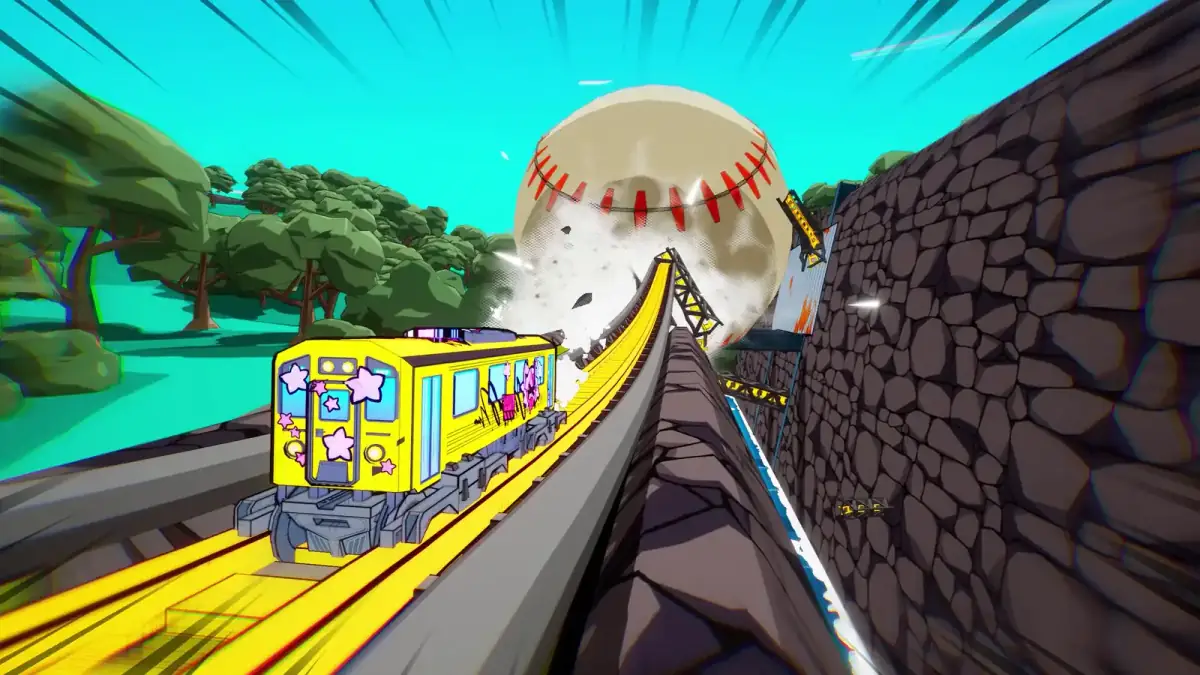
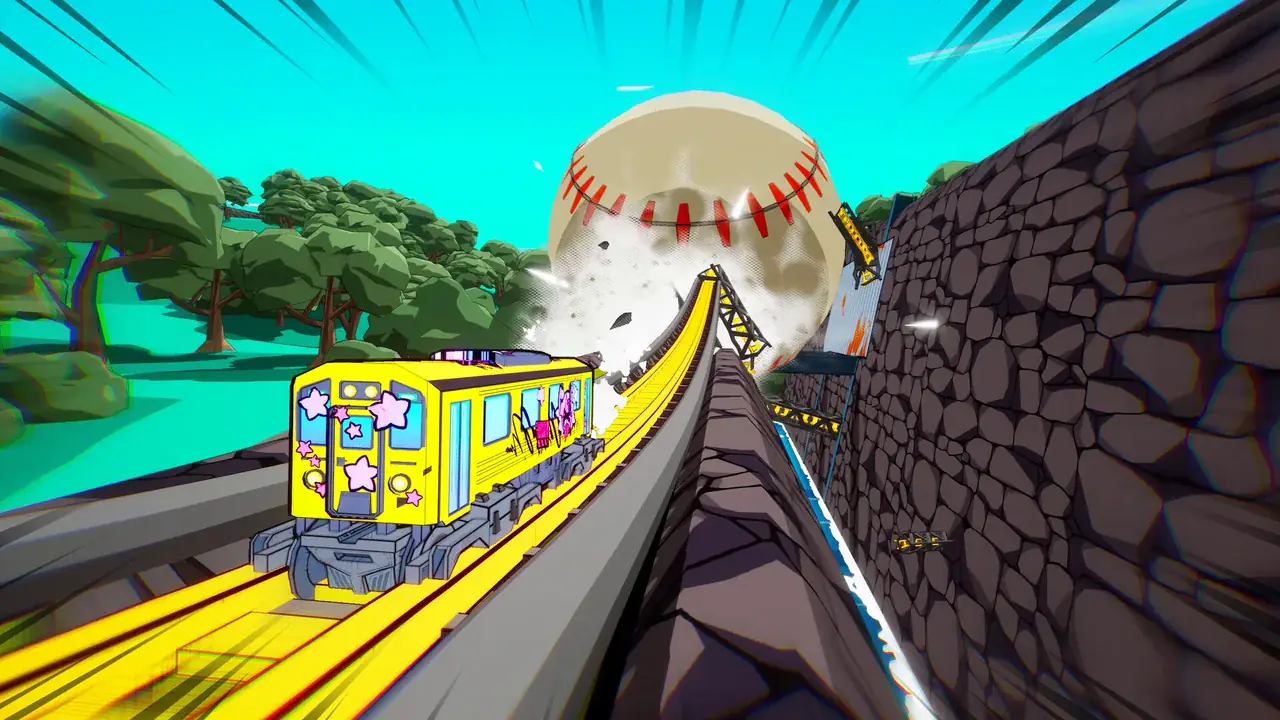
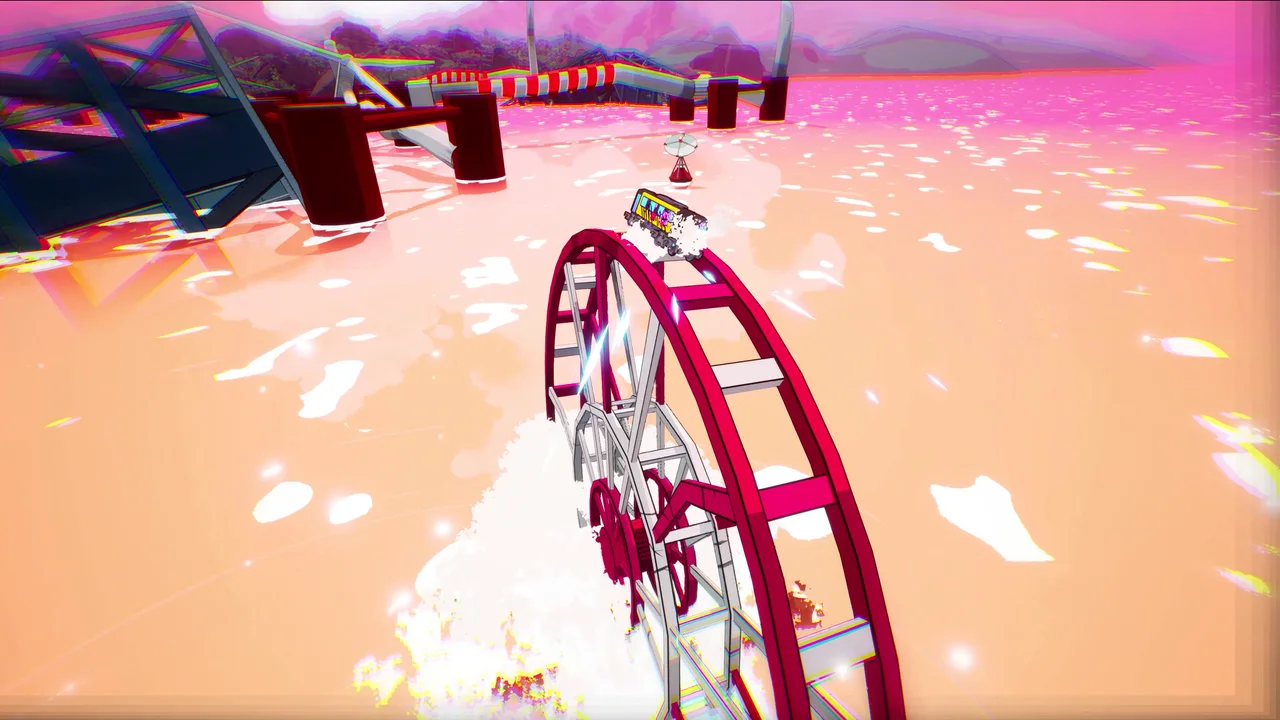
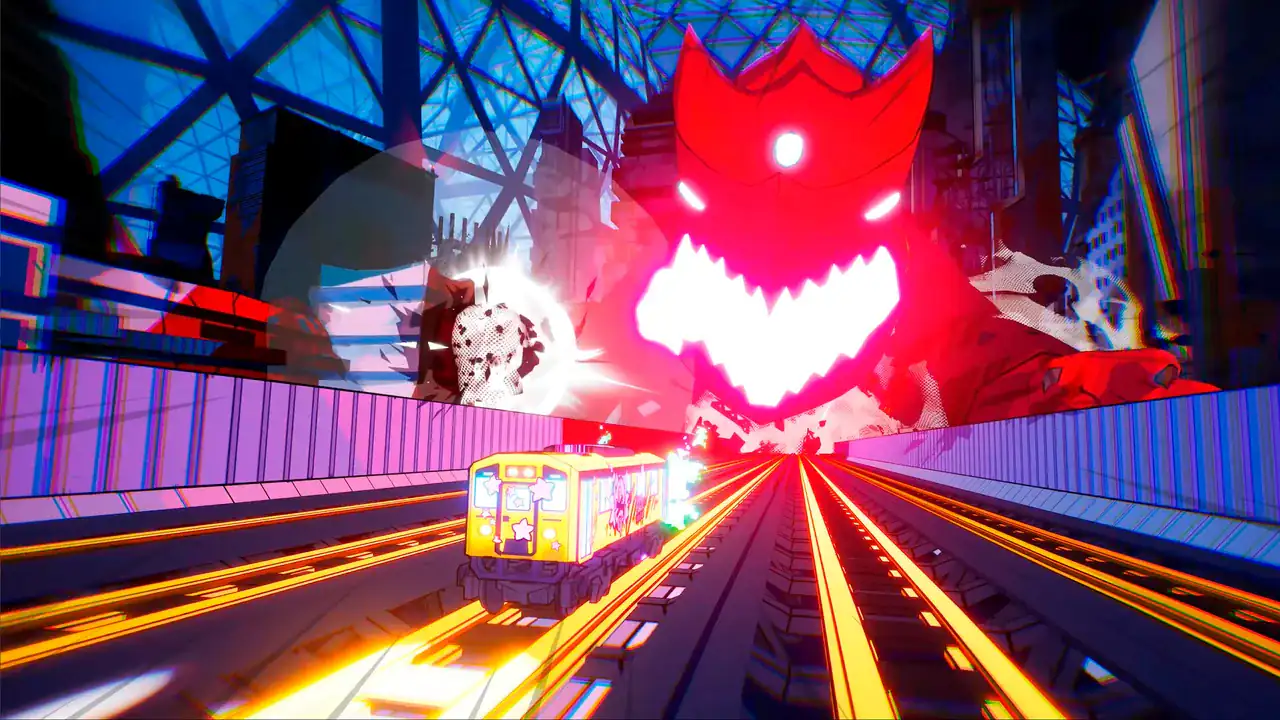
These official scenes connect platform choice, takeoff, grind entry, landing, and boss survival to the focused drill finder below.
Start route
Answer access, movement, and stage problems separately
Denshattack is a single-player action platformer and score attack. A platform decision gets you into the game; the focused guide handles the point where ollies, kickflips, grinds, rivals, or bosses stop the run.
Which version should I use?
Check Game Pass first, Steam for ownership and Deck, or the current console store.
Why does the combo break?
Separate takeoff speed, trick timing, grind entry, and the landing target.
Why does this stage feel different?
Identify whether the route changed speed, rail length, visibility, terrain, rival rules, or boss timing.
Controller quick reference
Check the input before changing the trick
The released controller layout gives each movement job a clear test. Use this compact map to confirm the command, then open the drill finder when the same input still fails in a stable route.
| Action | Xbox | PlayStation | Switch 2 | Use it for | Next drill |
|---|---|---|---|---|---|
| Drift / brake input | LT | L2 | ZL | Drift entry, speed control, and braking before a landing | Test input |
| Jump / ollie input | RT | R2 | ZR | Jump, ollie, and takeoff setup | Test input |
| Lane switch input | Left Stick | Left Stick | Left Stick | Lane changes, route alignment, and obstacle setup | Test input |
| Trick input | Right Stick | Right Stick | Right Stick | Tricks and score extensions | Test input |
| Honk input | LB | L1 | SL / L | Honk objectives and route signaling | Test input |
| Launch boost input | A | Cross | B | Launch boost, race openings, and speed tests | Test input |
Combo recovery
Fix the exact point where the line fails
Practice the smallest broken link. A short line that lands three times is the baseline for a longer score route.
| Problem | Check | Practice | Bank rule |
|---|---|---|---|
| The combo breaks on takeoff | Approach speed and jump timing | Repeat the ollie or first trick without the rest of the line. | Do not add rotation until the entry works three times. |
| The train misses the landing | Exit target and camera angle | Choose the rail or track segment before starting the trick. | A landed short combo beats a reset. |
| A grind loses momentum | Rail entry angle and the next exit | Enter the rail earlier and plan where the train leaves it. | Leave the rail while the route is still readable. |
| The score is safe but too low | Unused air time, rail length, or one missing link | Add one kickflip, grind link, or clean transition. | Keep the successful base line unchanged. |
| A rival race keeps winning | Where speed is lost rather than where style is lowest | Run a clean route with minimal tricks to find the slow section. | Solve the race before rebuilding the score route. |
| A boss phase collapses | The phase rule and survival window | Use a low-risk movement line until the opening is clear. | Damage or style only after the mechanic is understood. |
| A new region feels unreadable | Takeoff space, rail length, and obstacle rhythm | Make one low-score scouting pass through the new rule set. | Return for a score line after the route is known. |
| Controller inputs feel inconsistent | Input device, sensitivity, and whether the game changed prompts | Use one controller profile and repeat the same short line. | Do not change input and trick timing in the same test. |
Route types
The world changes the movement question
The official route moves from Kyushu through Osaka, Tokyo, Hokkaido, and stranger terrain including meadows, volcanoes, oceans, and snowfields.
City line
Osaka, Tokyo, and other sealed metros
Can you read rails, traffic, and tight transitions at speed?Countryside line
Kyushu and open rural routes
Where can you preserve momentum across longer approaches?Terrain challenge
Meadows, volcanoes, oceans, and snowfields
What new takeoff, landing, or visibility rule defines the region?Rival route
Reimagined Japanese trains and underground gangs
Is the objective speed, clean completion, or score control?Boss route
Mechanical worms, moving castles, and stranger machines
Which phase opening lets the movement system solve the fight?Clean first clear
Use style after the rule is visible
- 1
Scout the takeoff, rail, landing, or boss opening.
- 2
Clear the route with a short stable line.
- 3
Add one trick or grind link.
- 4
Bank the result before the final risky multiplier.
Controller setup
Keep the input test simple
Steam lists full controller support and gamepad recommended.
The Steam version is Verified and uses the same library as desktop PC.
PS5, Xbox Series X|S, and Switch 2 provide native controller routes.
Do not change the input setup and trick timing in the same attempt.
Line diagnosis
Use the failure point to choose the next drill
A broken score line usually has one visible cause. Keep the stage, input setup, and camera stable while you test the smallest missing link.
| Where the line breaks | Read first | One controlled drill | Next route |
|---|---|---|---|
| Takeoff | Speed, angle, and launch space. | Repeat the same entry without adding a trick. | Takeoff drills |
| Trick input | Input timing and whether the landing target remains visible. | Use one trick from the same starter three times. | Trick timing |
| Grind entry | Rail height, approach angle, and exit space. | Bank a short grind before linking the next object. | Grind route |
| Landing | Speed, surface, camera, and the next safe reset. | Remove the multiplier and land the same jump cleanly. | Landing recovery |
| Boss or rival | Survival rule and opening rather than style value. | Learn one safe punish, then bank the clear. | Boss practice |
Player questions
Denshattack! FAQ
Answers reflect the current status and check date shown on this hub.
What platforms is Denshattack on?
Denshattack launched on PC, PlayStation 5, Xbox Series X|S, and Nintendo Switch 2 on July 15, 2026.
Is Denshattack on Game Pass?
The current check includes the Xbox and PC Game Pass routes. Subscription catalogs change, so confirm the live listing before deciding not to buy a copy.
Does Denshattack work on Steam Deck?
Yes. The Steam store lists the game as Steam Deck Verified. The Steam version is the simpler SteamOS route than installing Windows only to reach a separate PC subscription build.
How much does Denshattack cost?
The US Steam base price is $19.99. Temporary discounts and regional prices vary, so check the store for the amount you will actually pay.
Is Denshattack multiplayer?
No. The current Steam feature list identifies Denshattack as a single-player game with full controller support and gamepad recommended.