

Before choosing a reward, decide whether the next route needs Block, immediate damage, draw, scaling, or a way to create and spend the character resource.
Slay the Spire 2 Game Home
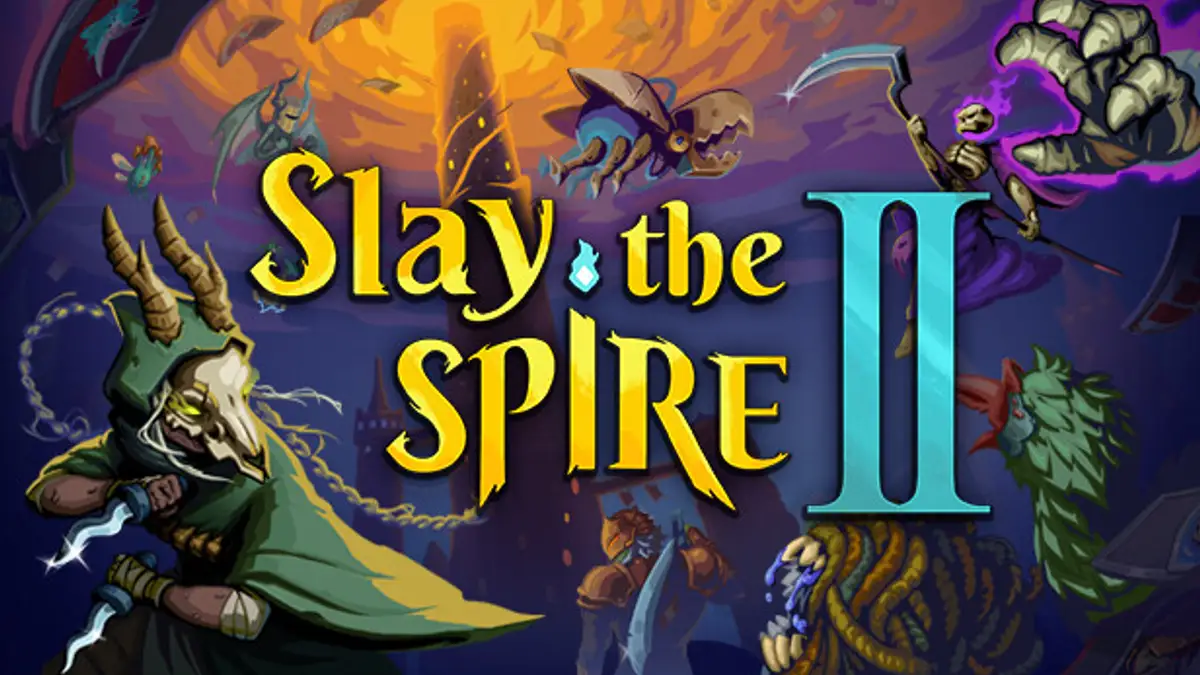
Early Access · March 5, 2026 Last updated
Slay the Spire 2 Guide
Start with the character resource you can read, name the next dangerous fight, and choose one card, relic, route, or event decision that closes that gap. The current specialist snapshot covers 5 characters, 577 cards, 296 relics, 115 enemies, and 66 events; this hub publishes a 39-record visual decision set and keeps Early Access values version-aware.
- Current snapshot
- 5 characters · 577 cards · 296 relics
- Encounter scope
- 115 enemies · 66 events
- Published visual set
- 39 card, relic & character records
Run-decision field notes
Slay the Spire 2 is a chain of role checks
A run is not won by collecting cards with the same keyword. It is won when the character resource, current hand, map branch, enemy intent, and next reward keep answering one another. This Hub turns the large card and relic catalogue into a repeatable question: what does the next dangerous fight require, and which one change can prove it?
Use the enemy intent, boss pattern, and event branch to judge whether a card, relic, or removal changes the next two turns—not only the end-state deck.
Take, remove, or upgrade one role-changing card, replay the shortest comparable combat, and keep the result you can explain.
Revisit signal: Return after a patch, a new character route, a failed elite, or an event choice changes what the current deck must solve next.
At a glance
Slay the Spire 2 at a glance
A decision-first Slay the Spire 2 hub connecting a large current catalogue to first-run drafting, enemy preparation, event choices, and a practical deck decision finder.
- Release
- Early Access · March 5, 2026
- Platforms
- PC
- Developer
- Mega Crit
- Publisher
- Mega Crit
- Current snapshot
- 5 characters · 577 cards · 296 relics
- Encounter scope
- 115 enemies · 66 events
- Published visual set
- 39 card, relic & character records
- Act 1 route
- 7 prep checks · damage, defense, map, potion, recovery
- Version
- Early Access · checked September 3, 2026
Current Early Access reference
Build the run around the next decision
This hub connects the current 5-character, 577-card, 296-relic, 115-enemy, and 66-event specialist snapshot to player tasks instead of reproducing a wiki index.


Quick actions
Open the player job in front of you
Each route leads to a current table, a repeatable first-session step, or a recovery answer.
Current blockers
What is your run trying to solve?
Start from the problem you can name, then take the smallest safe next action.
What should I pick from a reward?
Name the next dangerous fight first, then choose the card or relic that closes that role without leaving the current turn uncovered.
Which character should I learn first?
Pick the resource loop you can read: Ironclad trades health and power, Silent turns draw into precise offense, Defect sequences Orbs, Regent manages Stars, and Necrobinder manages Osty and Summon.
Why did a boss plan fail?
Compare the current intent and pattern with the role your deck never solved; repair that gap before adding another payoff.
How do I prepare for the first Act 1 elite?
Check a repeatable damage floor, a defense floor, the map branch, and one potion timing before committing to the gate; use the recovery row if the first attempt breaks.
Are these values final?
No. Slay the Spire 2 is in Early Access. The source availability was rechecked August 25, 2026; use the live build for the final number when a patch changes a row.
First-run route
Character → role gap → reward → test → trim
The first run should teach the deck what to remove and what to repeat before it tries to become a named archetype.
- 1Choose the resource language
Start with one character and identify the resource that makes its turns work: health/power, draw/discard, Orbs, Stars, or Osty/Summon.
- 2Name the first role gap
Before taking a reward, identify whether the next fight needs Block, immediate damage, scaling, draw, or a way to spend the character resource.
- 3Take one testable improvement
Choose the row that changes that role and replay the shortest combat where the difference can be seen.
- 4Trim the weakest link
At a remove or upgrade opportunity, fix the card that most often prevents the engine from appearing on time.
- 5Re-check the next map branch
A stronger deck changes which elite, event, rest, or shop branch is safe. Re-plan after every major improvement.
Game systems
The systems that keep a run readable
Use these as a compact mental model when a reward, event, or boss row looks attractive but the route does not.
| System | Player job | First move |
|---|---|---|
| Character resource | Defines what the deck is trying to create or spend. | Name the resource before choosing an archetype tag. |
| Card role | Adds damage, Block, draw, scaling, or resource conversion. | Choose the missing role, not the loudest keyword. |
| Relic timing | Changes opening hands, health, Focus, Summon, or future value. | Ask which turn the relic actually improves. |
| Enemy intent | Tests whether the deck can defend and still progress. | Read the next intent before playing setup. |
| Event branch | Trades health, cards, route, or future value for a different run shape. | Compare the choice with the next node, not only the reward text. |
Risk board
Common run traps
When a row says “Check in game,” confirm it before spending rare resources or changing an important save.
- Safe move
- Check whether the current deck can create and spend that resource now.
- Avoid
- Taking a payoff before the engine exists.
- Safe move
- Use it to protect or accelerate a declared first-turn job.
- Avoid
- Counting the free value as a full defense plan.
- Safe move
- Record the current build and intent, then use the number as a check.
- Avoid
- Treating a patch-sensitive number as a universal route.
- Safe move
- Compare its cost with the next elite, boss, and remaining deck roles.
- Avoid
- Choosing by reward label without a route check.
Guide directory
Open the page that changes the next decision
Choose the route, comparison, database, or guide that matches what you need to do next.
Player questions
Slay the Spire 2 FAQ
Answers reflect the current status and check date shown on this hub.
How many cards and relics are in the current Slay the Spire 2 reference?
The specialist snapshot reports 577 cards and 296 relics, alongside 5 characters, 115 enemies, and 66 events. This site publishes a bounded decision-first subset rather than mirroring every row.
Which character should I start with?
Choose the resource language you can read: Ironclad uses health and power, Silent uses draw and precise offense, Defect sequences Orbs, Regent manages Stars, and Necrobinder manages Osty and Summon.
Is there a Slay the Spire 2 deck builder?
The deck decision finder is a small practical lookup: choose the blocker and character lane, then get one testable next move. It is not a simulated win-rate calculator.
Are these card and enemy values final?
No. Slay the Spire 2 is in Early Access. Source availability was rechecked August 25, 2026; use the live build when a patch changes text, values, or event branches.