

Solo and online co-op routes
Shift at Midnight Co-op Roles
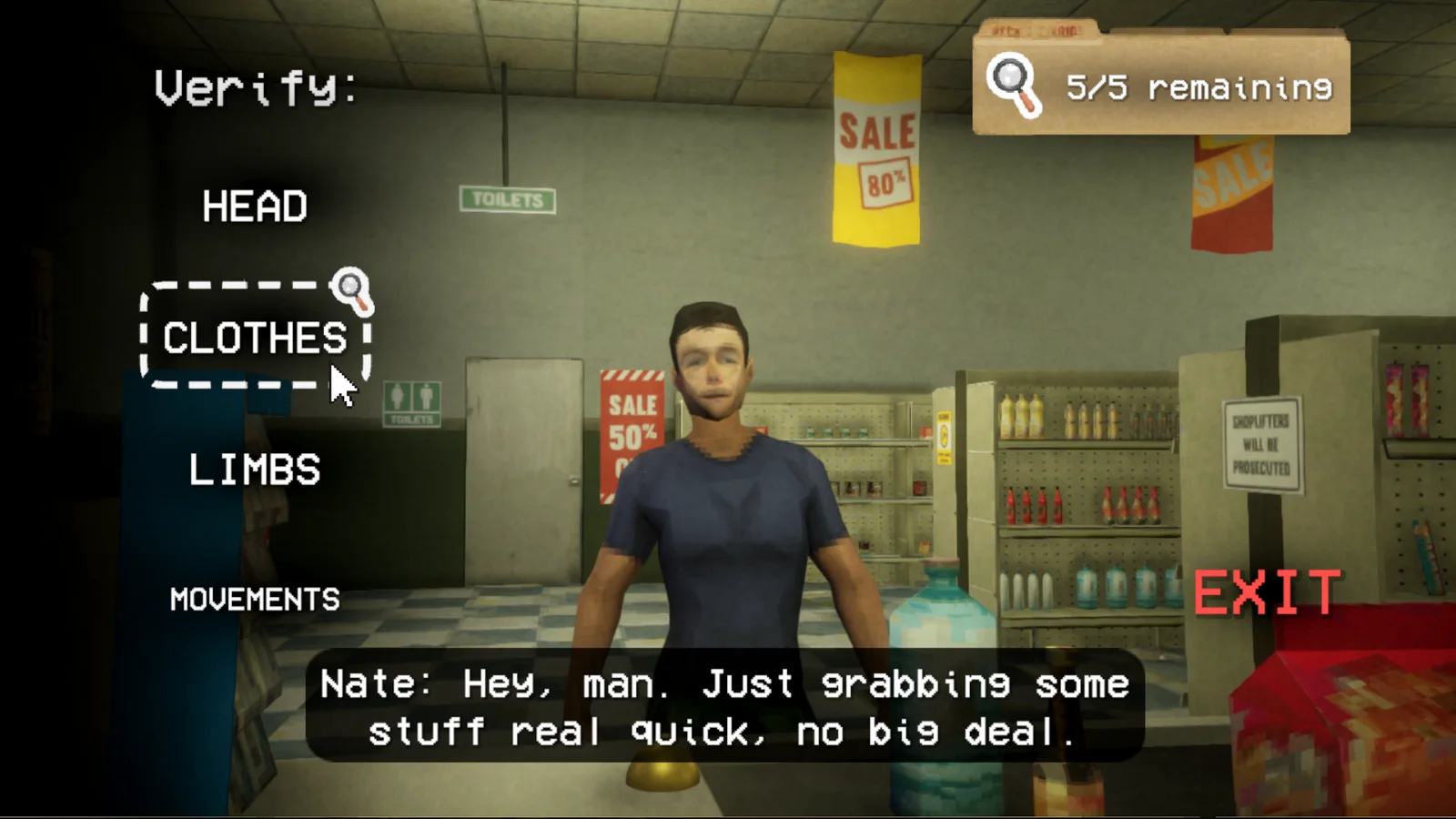
Solo, two-player, and three-player handoff planner
Shift at Midnight Co-op Roles
Keep evidence, computer records, the final door call, and defense as distinct jobs. Smaller teams combine roles; larger teams shorten the handoff to field, result, action so nobody duplicates a check while the recovery route is unguarded.
One final decision voice
Reduce movement and noise conflicts
Role Planner
Co-op role and handoff planner
Keep evidence, computer records, the final door call, and defense as distinct jobs. Smaller teams combine roles; larger teams shorten the handoff to field, result, action so nobody duplicates a check while the recovery route is unguarded.
8 matches Co-op role and handoff planner
Role route · solo player
Current version Solo fixed inspection loop
One player must preserve the same check order while also watching the room.
- Team size
- solo
- Primary phase
- Inspection
- Owned job
- Evidence
Player job
Own evidence during the inspection phase.
Use now
Complete paperwork, computer, question, and behavior in a fixed order.
Safe next action
Save the route only when every required job has a named owner.
Risk
Switching order under pressure makes self-correction harder.
Role route · solo player
Current version Solo pre-armed defense route
The solo route moves preparation before the customer decision.
- Team size
- solo
- Primary phase
- Breach
- Owned job
- Defense
Player job
Own defense during the breach phase.
Use now
Prepare traps, barricade access, and the hiding path before opening the next case.
Safe next action
Save the route only when every required job has a named owner.
Risk
Defense prepared after the breach is usually too late.
Role route · two player
Current version Two-player evidence and records split
One player reads the customer while the other preserves the computer contradiction.
- Team size
- two
- Primary phase
- Inspection
- Owned job
- Records
Player job
Own records during the inspection phase.
Use now
Inspector calls the field; records operator repeats the database result.
Safe next action
Save the route only when every required job has a named owner.
Risk
Both players reading the same screen leaves the floor unattended.
Role route · two player
Current version Two-player caller and defense split
The inspector owns the call while the second player protects the recovery route.
- Team size
- two
- Primary phase
- Decision
- Owned job
- Door call
Player job
Own door call during the decision phase.
Use now
Summarize the contradiction, then let the caller operate the door.
Safe next action
Save the route only when every required job has a named owner.
Risk
The defense player should not abandon traps to debate the final call.
Role route · two player
Current version Two-player movement caller
One voice should control movement once the threat is active.
- Team size
- two
- Primary phase
- Breach
- Owned job
- Defense
Player job
Own defense during the breach phase.
Use now
Defense calls trap, barricade, hide, and silence while the second player follows.
Safe next action
Save the route only when every required job has a named owner.
Risk
Two movement plans create noise and crossed routes.
Role route · three player
Current version Three-player evidence lanes
Paperwork/questioning, computer records, and floor defense remain separate.
- Team size
- three
- Primary phase
- Inspection
- Owned job
- Evidence
Player job
Own evidence during the inspection phase.
Use now
Keep the three lanes distinct until the door summary.
Safe next action
Save the route only when every required job has a named owner.
Risk
Three investigators can duplicate checks and leave no defense owner.
Role route · three player
Current version Three-player final summary
The caller receives one short report from evidence and records before deciding.
- Team size
- three
- Primary phase
- Decision
- Owned job
- Door call
Player job
Own door call during the decision phase.
Use now
Use field, conflict, and call: “date mismatch, record conflict, hold.”
Safe next action
Save the route only when every required job has a named owner.
Risk
Long debate consumes the shift and weakens role ownership.
Role route · three player
Current version Three-player containment triangle
One player calls movement, one closes access, and one reaches the hiding route.
- Team size
- three
- Primary phase
- Breach
- Owned job
- Defense
Player job
Own defense during the breach phase.
Use now
Use the prepared route and regroup only after the threat state changes.
Safe next action
Save the route only when every required job has a named owner.
Risk
Everyone taking the same barricade job leaves another route open.
No matching co-op route
Try a team size, inspection phase, door call, or defense job.
Failure recovery
Recover when two players own the same job
Duplicate work is fixed by assigning the missing lane, not by adding more discussion.
- 1Name the duplicated job
State whether both players are reading, questioning, calling the door, or defending.
- 2Find the uncovered lane
Records, floor defense, or the final call usually became ownerless.
- 3Move one player
Reassign one person and keep the other on the original job.
- 4Use a three-word callout
Field, result, action keeps the handoff short.
Decision table
Assign roles by the missing handoff
Use the action column as the next test, not as a claim about hidden game values.
| Situation | Action | Why |
|---|---|---|
| Both players stare at paperwork | Move one to records or defense | The customer does not need two identical readers. |
| Nobody controls the final door | Name a caller | Evidence has no value if the team reverses its own decision. |
| Defense keeps joining the debate | Protect the recovery route | A breach punishes the team before the argument ends. |
| Voice chat becomes noisy | Use field, result, action | Short structured calls survive pressure. |
Player questions
Co-op Roles FAQ
Use the current game panel before spending rare resources on a value that can change.
What is the most important co-op role?
One player must own the final door call. Evidence and records only help when the team knows who turns the summary into a decision.
How should two players split the shift?
One can own customer evidence and the door call while the other preserves computer records and the prepared defense route.
What should three players avoid?
Avoid having all three inspect the same field. Separate evidence, records, and defense until the caller requests the final summary.
Are these fixed character classes?
No. They are temporary responsibilities that can be combined or reassigned as the shift changes.